
The world of Pokémon has evolved far beyond video games and animated series it has become a global cultural phenomenon and a thriving collector’s market. Among the most sought-after items in this universe are Pokémon trading cards, which have captivated fans and investors alike for over two decades. While millions of cards have been printed since the franchise’s debut in 1996, only a select few have reached legendary status for their rarity, condition, and historical significance. The most expensive Pokémon card ever sold has fetched prices that rival fine art and luxury cars, proving that nostalgia and scarcity can create immense value. This article explores the history, reasons behind the soaring prices, and the specific cards that have broken records in the Pokémon trading card world.
The Rise of Pokémon Card Collecting
Pokémon cards were first introduced in Japan in 1996 and quickly spread worldwide, becoming a staple of childhood collections and competitive play. Over time, as the original fans grew older, the cards transformed from simple game pieces into valuable collectibles. The market for rare Pokémon cards exploded in the late 2010s, driven by nostalgia, social media, and celebrity involvement. Influencers and public figures began showcasing their collections, sparking renewed interest among both casual fans and serious investors. The most expensive Pokémon card sales often occur at high-profile auctions, where pristine condition and rarity can push prices into the millions. This surge in demand has turned Pokémon cards into a legitimate asset class, with collectors treating them as both sentimental treasures and financial investments.
What Makes a Pokémon Card Valuable?
Several factors determine the value of a Pokémon card, and understanding these elements is key to identifying potential high-value collectibles. The first and most important factor is rarity. Cards that were produced in limited quantities, distributed through exclusive events, or never reprinted tend to be the most valuable. The second factor is condition cards graded as “Gem Mint 10” by professional grading services like PSA or Beckett command significantly higher prices. Even minor imperfections such as scratches or off-centering can drastically reduce a card’s value.
Another major factor is popularity. Cards featuring iconic Pokémon like Pikachu, Charizard, or Mewtwo are more desirable due to their cultural significance. Finally, historical importance plays a role; early promotional cards or those tied to special tournaments often carry immense prestige. When these factors combine rarity, condition, popularity, and history a card can reach astronomical prices, earning its place among the most expensive Pokémon cards ever sold.
The Most Expensive Pokémon Card Ever Sold
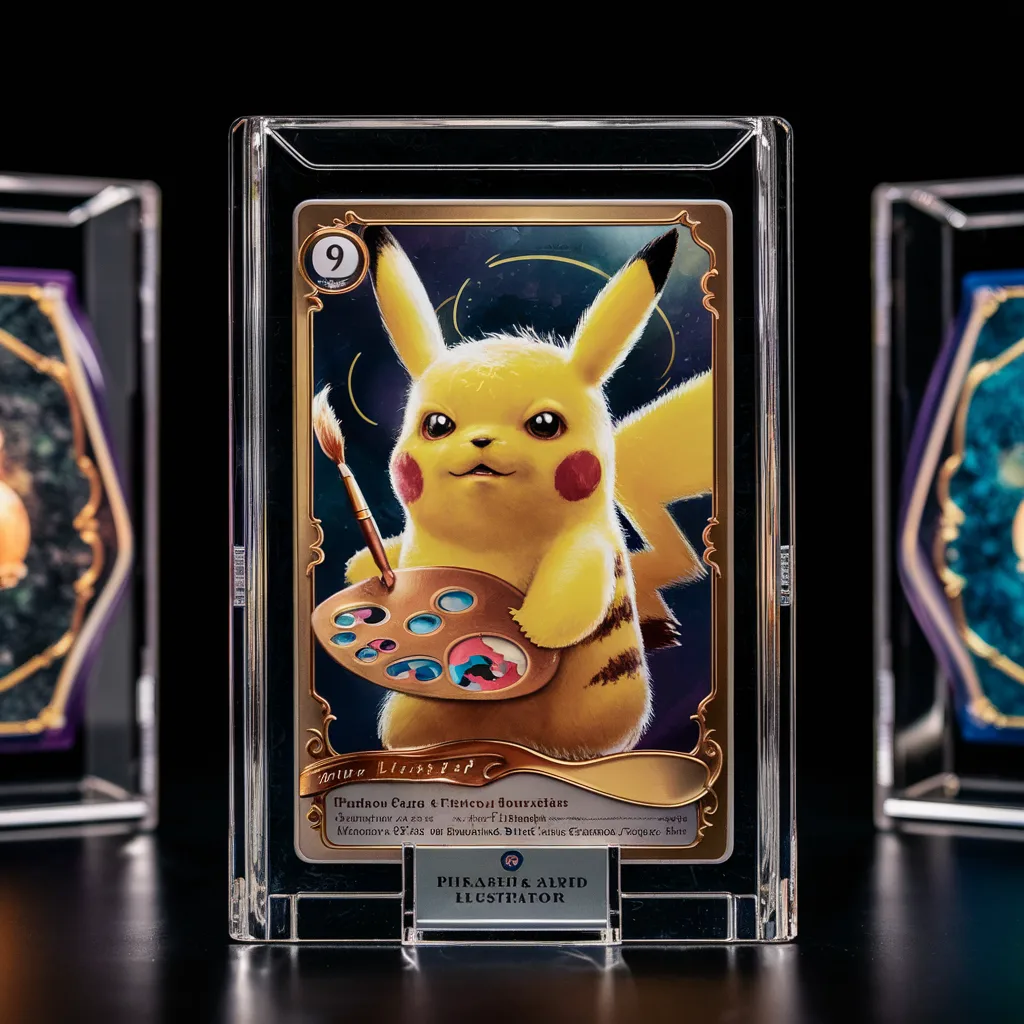
The title of the most expensive Pokémon card currently belongs to the Pikachu Illustrator card, a legendary collectible that has achieved near-mythical status among fans. Originally awarded to winners of a 1998 illustration contest in Japan, only a handful of these cards were ever produced estimates suggest fewer than 40 exist, with even fewer in pristine condition. The card features unique artwork by Atsuko Nishida, the original illustrator of Pikachu, and bears the words “Illustrator” instead of “Trainer,” making it distinct from all other Pokémon cards.
In 2022, a Pikachu Illustrator card graded PSA 10 sold for over $5.275 million, purchased by a well-known celebrity collector. This sale shattered previous records and solidified the card’s position as the most valuable Pokémon card in history. Its combination of rarity, historical significance, and cultural appeal makes it the ultimate prize for collectors worldwide.
Other Record-Breaking Pokémon Cards
While the Pikachu Illustrator card holds the top spot, several other cards have also achieved remarkable prices. The 1st Edition Shadowless Holographic Charizard from the 1999 Base Set is one of the most iconic cards ever printed. Known for its fiery artwork and nostalgic appeal, a PSA 10 version of this card has sold for over $400,000 at auction. Its popularity stems from being one of the first holographic cards and featuring Charizard, one of the franchise’s most beloved Pokémon.
Another notable card is the Trophy Pikachu, awarded to winners of early Pokémon tournaments in Japan. These cards are incredibly rare, with only a few copies ever distributed. Depending on condition and provenance, Trophy Pikachu cards have sold for prices ranging from $300,000 to $900,000. Similarly, the Kangaskhan Family Event Trophy Card, given to participants of a 1998 parent-child tournament, has fetched over $150,000 due to its rarity and unique backstory.
Why Pokémon Cards Have Become Investment Assets
The rise of the most expensive Pokémon cards reflects a broader trend in collectible investing. As traditional markets fluctuate, investors have turned to alternative assets like trading cards, comics, and art. Pokémon cards, in particular, offer a blend of nostalgia and tangible value that appeals to multiple generations. The limited supply of rare cards ensures that demand remains high, especially as more collectors enter the market.
Professional grading has also legitimized the industry, providing standardized assessments of card condition and authenticity. This transparency has attracted serious investors who view Pokémon cards as long-term assets. Moreover, the emotional connection many people have with the franchise adds a unique dimension to collecting owning a rare card is not just a financial investment but also a piece of childhood history.
The Role of Celebrities and Media in Driving Prices
The surge in Pokémon card values has been amplified by celebrity involvement and media coverage. High-profile figures have publicly showcased their collections, sparking renewed interest among fans and investors. When celebrities purchase or promote rare cards, it often leads to a spike in market activity and prices. Social media platforms like YouTube and TikTok have also played a major role, with influencers unboxing rare packs and documenting their finds. This visibility has transformed Pokémon card collecting from a niche hobby into a mainstream phenomenon, further driving up the value of the most expensive Pokémon cards.
How to Identify and Protect Valuable Pokémon Cards
For aspiring collectors, identifying valuable cards requires careful research and attention to detail. Start by checking the card’s edition symbol, print year, and rarity indicator (such as a star or promo mark). Cards from the early sets, especially the Base Set, Jungle, and Fossil expansions, tend to hold higher value. Once a potentially valuable card is identified, proper preservation is essential. Cards should be stored in protective sleeves, kept away from sunlight, and handled minimally to prevent damage.
Professional grading is another crucial step for serious collectors. Submitting cards to grading services like PSA or Beckett not only verifies authenticity but also provides an official condition rating that can significantly increase resale value. Maintaining documentation and provenance records can also enhance a card’s credibility and market appeal.
Conclusion
The most expensive Pokémon card represents more than just a piece of cardboard it embodies nostalgia, artistry, and the enduring power of a global franchise. From the legendary Pikachu Illustrator to the iconic Charizard, these cards have transcended their original purpose to become cultural artifacts and investment assets. Their value lies not only in rarity and condition but also in the emotional connection they evoke among fans worldwide. As the Pokémon brand continues to evolve, the market for rare cards shows no signs of slowing down. Whether collected for passion or profit, these cards remind us that even the simplest childhood treasures can become priceless symbols of history and imagination.
FAQs
1. What is the most expensive Pokémon card ever sold?
The most expensive Pokémon card ever sold is the Pikachu Illustrator card, which fetched over $5.275 million at auction.
2. Why is the Pikachu Illustrator card so valuable?
It is extremely rare, with fewer than 40 copies known to exist, and was awarded only to winners of a 1998 illustration contest in Japan.
3. What other Pokémon cards are worth a lot of money?
Other valuable cards include the 1st Edition Shadowless Charizard, Trophy Pikachu, and Kangaskhan Family Event Trophy Card.
4. How can I tell if my Pokémon card is valuable?
Check the card’s edition, rarity symbol, and condition. Cards from early sets or limited events are often more valuable.
5. What does “1st Edition Shadowless” mean?
It refers to early print runs of Pokémon cards that lack a shadow around the artwork box, making them rarer and more collectible.
6. How do I protect my Pokémon cards?
Store them in protective sleeves, avoid direct sunlight, and handle them carefully. For high-value cards, consider professional grading.
7. Are Pokémon cards a good investment?
Yes, rare and graded cards can appreciate significantly in value, but like all collectibles, the market can fluctuate.
8. Who buys the most expensive Pokémon cards?
High-profile collectors, investors, and celebrities often purchase rare cards as both investments and status symbols.
9. Can modern Pokémon cards become valuable in the future?
Yes, limited-edition or promotional cards from current sets may gain value over time if kept in mint condition.
10. Where can I sell valuable Pokémon cards?
Rare cards can be sold through auction houses, online marketplaces, or specialized trading platforms that cater to collectors.