
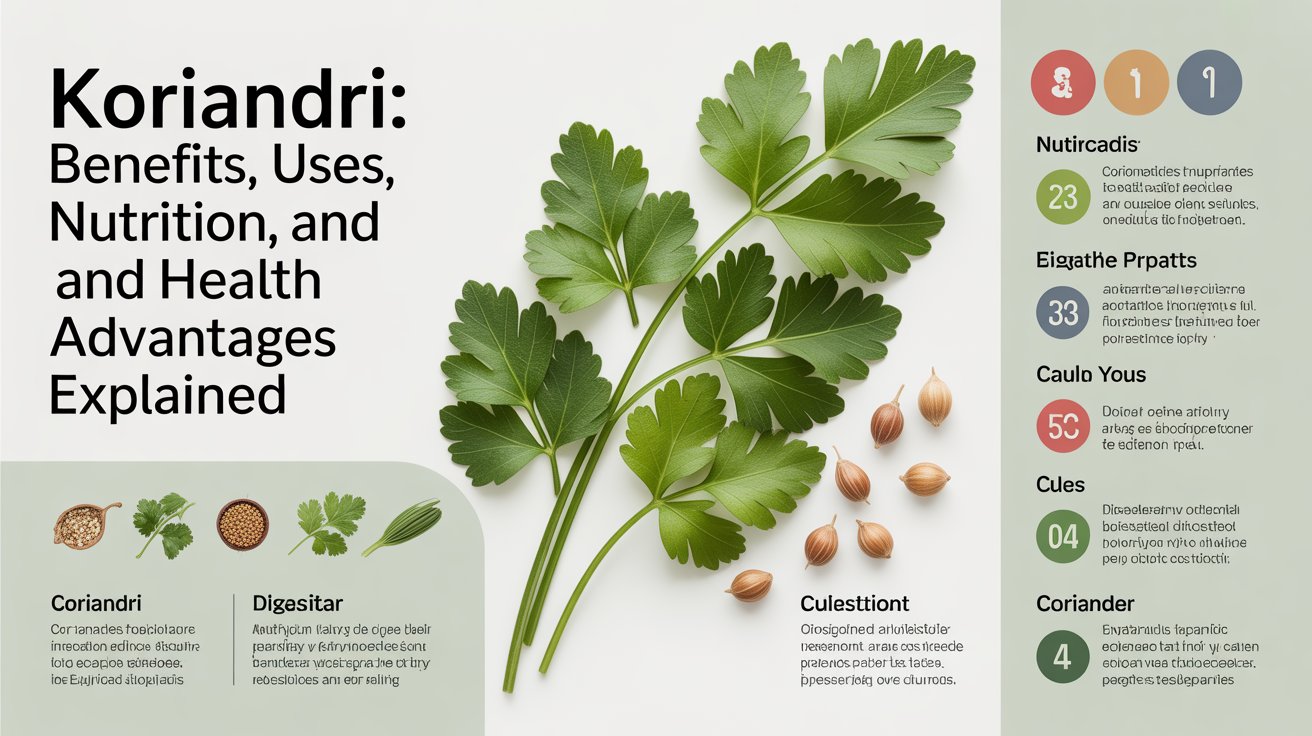
Koriandri is one of the most widely used herbs and spices in the world, valued for its distinctive flavor, impressive nutritional profile, and numerous health benefits. Known in many regions as coriander, koriandri has been a staple ingredient in traditional cuisines and natural medicine for centuries. Both the fresh leaves and dried seeds of the plant are used in cooking, while its medicinal properties have made it a popular ingredient in herbal remedies. From enhancing the taste of dishes to supporting digestion and overall wellness, koriandri offers a remarkable combination of culinary and health-related advantages. As interest in natural foods and plant-based nutrition continues to grow, understanding the benefits and uses of koriandri has become increasingly important for health-conscious individuals.
What Is Koriandri?
Koriandri is an aromatic herb derived from the Coriandrum sativum plant. It belongs to the parsley family and is cultivated throughout Asia, Europe, Africa, and the Americas. The plant produces bright green leaves, commonly referred to as coriander leaves or cilantro in some countries, while its dried seeds are known as coriander seeds. Both parts of the plant possess unique flavors and are used differently in culinary traditions around the world. The leaves have a fresh, citrus-like taste, while the seeds provide a warm, slightly sweet, and earthy flavor. Because of its versatility, koriandri has become an essential ingredient in soups, curries, sauces, salads, marinades, and spice blends.
Nutritional Value of Koriandri
Koriandri is packed with essential nutrients that contribute to overall health and well-being. It contains vitamins A, C, and K, along with important minerals such as potassium, calcium, magnesium, and iron. The herb is also rich in antioxidants, which help protect the body from oxidative stress and cellular damage caused by free radicals. These nutrients support various bodily functions, including immune health, bone strength, blood circulation, and skin vitality. Additionally, koriandri contains dietary fiber and beneficial plant compounds that may contribute to digestive wellness and metabolic health. Despite being low in calories, it provides a significant amount of nutritional value, making it an excellent addition to a balanced diet.
Health Benefits of Koriandri
One of the primary reasons for the growing popularity of koriandri is its wide range of health benefits. Research and traditional medicine practices have long associated this herb with improved digestion, better immune function, and enhanced overall wellness. The antioxidants present in koriandri may help reduce inflammation and protect the body against chronic diseases. Many people also use koriandri as a natural remedy to support healthy cholesterol levels and maintain proper blood sugar balance. Its nutrient-rich composition contributes to improved energy levels and overall vitality, making it a valuable ingredient for individuals seeking natural ways to support their health.
Koriandri is particularly known for its positive effects on digestion. The herb contains compounds that may stimulate digestive enzymes and promote efficient nutrient absorption. Traditionally, coriander seeds have been used to relieve bloating, indigestion, and stomach discomfort. Many cultures prepare herbal teas or infusions using koriandri seeds to soothe the digestive system and support gut health. By encouraging healthy digestion, koriandri may contribute to greater comfort and improved nutrient utilization.
Another important benefit of koriandri is its potential role in supporting the immune system. The vitamin C content found in the herb helps strengthen the body’s natural defenses against infections and illnesses. Antioxidants present in koriandri assist in reducing oxidative stress and protecting cells from damage. Regular consumption of nutrient-rich herbs such as koriandri may contribute to stronger immunity and improved resistance to common health concerns.
Koriandri and Heart Health
Heart health remains a major concern worldwide, and many natural foods are being studied for their cardiovascular benefits. Koriandri contains compounds that may support healthy cholesterol levels and promote proper circulation. Some studies suggest that coriander seeds may help reduce levels of low-density lipoprotein (LDL) cholesterol while supporting beneficial high-density lipoprotein (HDL) cholesterol. The potassium content of koriandri also contributes to maintaining healthy blood pressure levels by helping regulate fluid balance within the body. Including koriandri as part of a heart-friendly diet may offer additional support for long-term cardiovascular wellness.
Koriandri for Skin and Beauty
Koriandri has earned recognition not only for its culinary and medicinal uses but also for its potential beauty benefits. The antioxidants and vitamins found in the herb may help maintain healthy skin by protecting against environmental damage and supporting natural skin repair processes. Traditional remedies often incorporate koriandri into skincare treatments aimed at promoting a clearer complexion and reducing signs of irritation. Its natural properties may assist in maintaining skin freshness and supporting a healthy appearance. While it should not replace professional skincare treatments, koriandri can be a valuable component of a healthy lifestyle that promotes overall skin health.
Culinary Uses of Koriandri
The culinary versatility of koriandri is one of the reasons it remains a favorite ingredient in kitchens worldwide. Fresh koriandri leaves are commonly used as a garnish for soups, curries, tacos, salads, and rice dishes. Their bright flavor adds freshness and complexity to meals. Coriander seeds, on the other hand, are frequently toasted and ground into spice blends that enhance the taste of meat, vegetables, sauces, and baked goods. Many traditional cuisines rely on koriandri to provide depth of flavor and aromatic richness. Whether used fresh or dried, the herb contributes a distinctive character that elevates countless recipes.
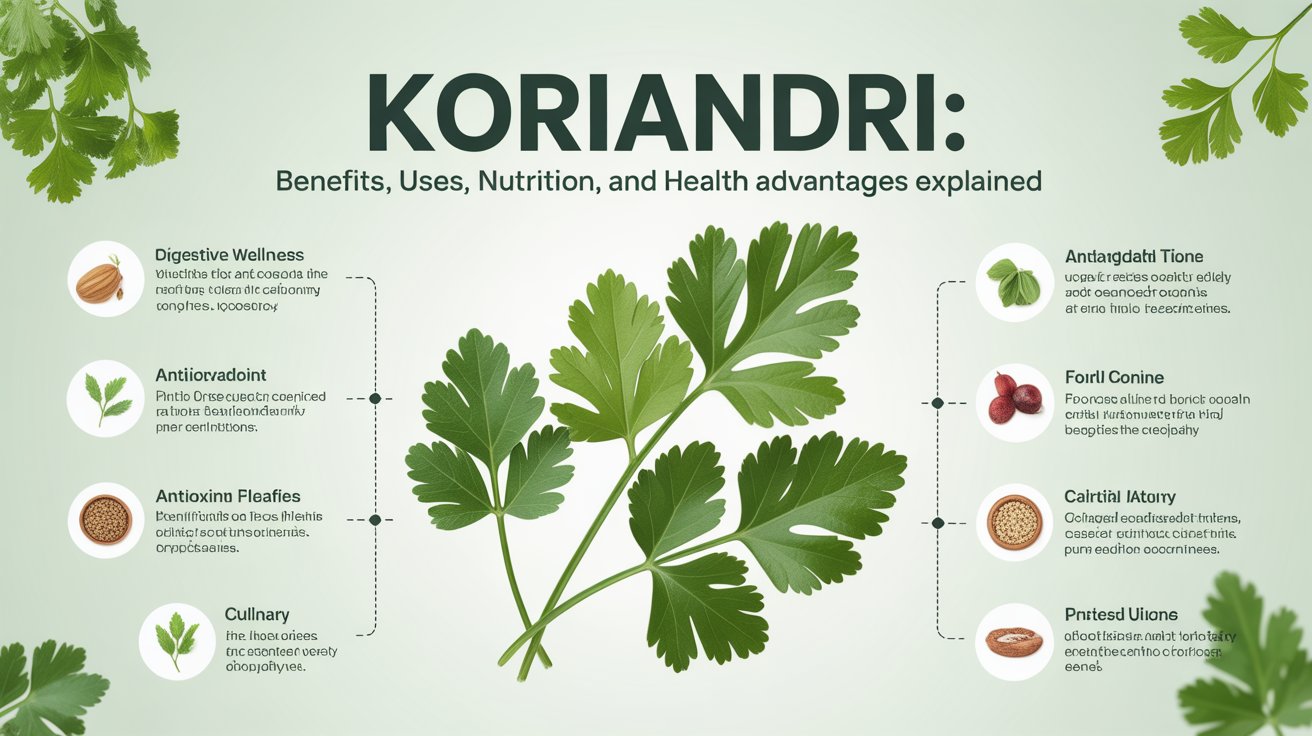
In addition to savory dishes, koriandri is often included in herbal beverages and wellness drinks. Coriander seed tea is particularly popular for its refreshing taste and potential digestive benefits. The herb’s adaptability allows it to complement a wide variety of ingredients, making it an essential element in global cuisine.
How to Grow Koriandri
Growing koriandri at home is relatively simple and can provide a continuous supply of fresh herbs. The plant thrives in well-drained soil and receives optimal growth when exposed to adequate sunlight. Seeds can be planted directly in garden beds or containers, and regular watering helps maintain healthy development. Koriandri typically grows quickly and can be harvested within a few weeks, depending on environmental conditions. Home gardeners appreciate the convenience of having fresh leaves readily available for cooking while also enjoying the aromatic qualities of the plant.
Tips for Including Koriandri in Your Diet
Adding koriandri to your daily meals is an easy way to increase both flavor and nutritional value. Fresh leaves can be sprinkled over salads, soups, and cooked dishes, while ground coriander seeds can be incorporated into spice rubs, marinades, and sauces. Smoothies, herbal teas, and vegetable dishes can also benefit from the unique flavor profile of koriandri. By experimenting with different recipes and preparation methods, individuals can enjoy the diverse benefits this herb has to offer while enhancing the taste of everyday meals.
Conclusion
Koriandri is much more than a flavorful herb. Its rich nutritional content, extensive culinary applications, and potential health benefits make it a valuable addition to a healthy lifestyle. From supporting digestion and immune function to contributing to heart health and skin wellness, koriandri offers a wide range of advantages that have been appreciated for centuries. Whether used as fresh leaves, dried seeds, or herbal preparations, this versatile plant continues to play an important role in both traditional and modern diets. Incorporating koriandri into everyday meals is a simple yet effective way to enjoy its nutritional and health-promoting properties while enhancing the flavor of food.
Frequently Asked Questions (FAQ)
1. What is koriandri?
Koriandri is an aromatic herb known as coriander. Its leaves and seeds are widely used in cooking and traditional medicine.
2. What are the main health benefits of koriandri?
Koriandri may support digestion, immune function, heart health, and overall wellness due to its vitamins, minerals, and antioxidants.
3. Can koriandri help with digestion?
Yes, koriandri has traditionally been used to ease bloating, indigestion, and stomach discomfort while supporting healthy digestive processes.
4. Is koriandri nutritious?
Koriandri contains vitamins A, C, and K, as well as minerals such as potassium, calcium, magnesium, and iron.
5. How is koriandri used in cooking?
Fresh leaves are used as garnishes and flavor enhancers, while coriander seeds are commonly used in spice blends, curries, soups, and marinades.
6. Can I grow koriandri at home?
Yes, koriandri is easy to grow in gardens and containers, requiring sunlight, well-drained soil, and regular watering.
7. Are koriandri leaves and seeds different?
Yes, the leaves have a fresh and citrus-like flavor, while the seeds offer a warm, earthy, and slightly sweet taste.
8. Is koriandri suitable for daily consumption?
For most people, koriandri can be safely enjoyed as part of a balanced diet and may contribute beneficial nutrients and flavor to meals.