
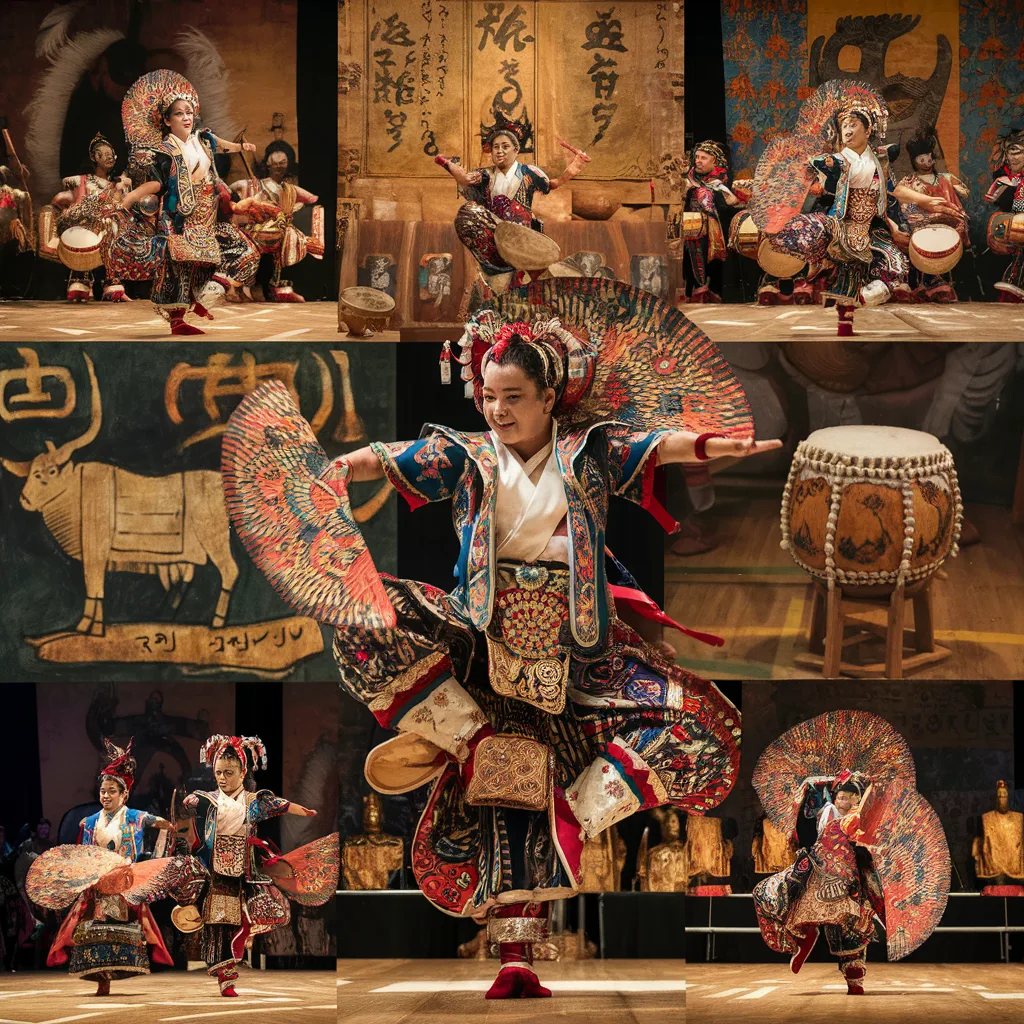
The term Gahakyu has recently gained attention across various online platforms, sparking curiosity about its meaning, origin, and cultural context. While the word may appear mysterious, it carries layers of interpretation that connect to philosophy, creativity, and cultural identity. In many discussions, Gahakyu is seen as a concept that represents balance, mindfulness, and the pursuit of harmony between thought and action. Its growing popularity reflects a global interest in understanding deeper cultural and linguistic expressions that transcend simple translation. This article explores the meaning of Gahakyu, its possible origins, and how it resonates with modern audiences seeking purpose and awareness in an increasingly digital world.
The Meaning of Gahakyu
The meaning of Gahakyu can be interpreted in several ways depending on cultural and linguistic context. In essence, it is often associated with the idea of inner growth, self-awareness, and the continuous journey toward personal enlightenment. The term embodies a sense of discipline and reflection, encouraging individuals to align their actions with their values. Gahakyu can also be viewed as a metaphor for balance between ambition and humility, progress and patience, individuality and community. This duality makes the concept deeply relatable in today’s fast-paced society, where people are constantly seeking equilibrium between external success and internal peace.
The Origin and Cultural Background of Gahakyu
Although the exact linguistic roots of Gahakyu remain uncertain, it is believed to have connections to East Asian philosophical traditions that emphasize mindfulness, discipline, and harmony. The term may draw inspiration from ancient teachings that focus on the unity of body, mind, and spirit. In some interpretations, Gahakyu represents a state of awareness achieved through consistent practice and reflection. This aligns with the principles found in Zen philosophy, where enlightenment is not a destination but a continuous process of learning and self-discovery. Over time, Gahakyu has evolved into a modern symbol of personal growth and cultural appreciation, bridging traditional wisdom with contemporary life.
Gahakyu as a Philosophy of Life
At its core, Gahakyu can be understood as a philosophy that encourages mindful living and purposeful action. It teaches that true fulfillment comes not from external achievements but from internal harmony. Practicing Gahakyu involves cultivating patience, empathy, and awareness in everyday life. It reminds individuals to slow down, reflect, and act with intention rather than impulse. This philosophy resonates strongly in modern times, where constant connectivity and information overload often lead to stress and distraction. By embracing Gahakyu, one can learn to focus on what truly matters personal growth, meaningful relationships, and a balanced state of mind.
The Symbolism of Gahakyu in Modern Culture
In contemporary culture, Gahakyu has become a symbol of mindfulness and authenticity. Artists, writers, and thinkers often reference the concept to express the importance of staying grounded amidst chaos. It represents the idea that creativity and clarity emerge from stillness and self-awareness. In design and branding, Gahakyu-inspired aesthetics emphasize simplicity, natural elements, and emotional depth. The term has also found relevance in wellness and self-improvement communities, where it serves as a reminder to live consciously and align one’s actions with inner values. The symbolism of Gahakyu continues to evolve, reflecting humanity’s timeless quest for meaning and balance.
Gahakyu and the Pursuit of Balance
One of the most profound aspects of Gahakyu is its emphasis on balance. In a world driven by competition and constant change, maintaining equilibrium between personal and professional life has become increasingly challenging. Gahakyu encourages individuals to find harmony between ambition and contentment, reminding them that success without peace is incomplete. This pursuit of balance extends beyond personal well-being it also applies to relationships, communities, and the environment. By practicing Gahakyu, people can learn to approach challenges with calmness, make thoughtful decisions, and cultivate resilience in the face of uncertainty.
The Relevance of Gahakyu in the Digital Age
In the digital era, where attention spans are short and distractions are endless, the principles of Gahakyu are more relevant than ever. The concept encourages digital mindfulness being aware of how technology influences thoughts, emotions, and behaviors. Practicing in the modern world means setting boundaries, disconnecting when necessary, and using technology as a tool for growth rather than dependency. It also promotes authenticity in online interactions, urging individuals to express themselves truthfully and respectfully. As society becomes increasingly digital, Gahakyu serves as a guiding philosophy for maintaining mental clarity and emotional balance.
Applying Gahakyu in Everyday Life
Applying Gahakyu in daily life involves small but meaningful actions that promote mindfulness and self-awareness. This can include setting aside time for reflection, practicing gratitude, or engaging in creative activities that nurture the soul. It also means being present in conversations, listening actively, and responding with empathy. teaches that every moment offers an opportunity for growth and understanding. By integrating its principles into daily routines, individuals can cultivate a deeper sense of purpose and connection. Whether through meditation, journaling, or simply pausing to appreciate the present, encourages a life lived with intention and grace.
Conclusion
Gahakyu is more than just a word it is a philosophy that embodies mindfulness, balance, and self-discovery. Its meaning transcends language, offering a universal message about living with awareness and authenticity. In a world that often prioritizes speed over stillness, Gahakyu reminds us to slow down, reflect, and act with purpose. By embracing its principles, individuals can achieve harmony between their inner and outer worlds, leading to a more fulfilling and meaningful life. Whether viewed as a cultural concept, a personal philosophy, or a modern mindfulness practice, Gahakyu continues to inspire those seeking clarity and balance in an ever-changing world.
FAQs
1. What does Gahakyu mean?
Gahakyu represents a concept of mindfulness, balance, and self-awareness. It encourages individuals to live intentionally and align their actions with their values.
2. Where does the term Gahakyu come from?
The exact origin of Gahakyu is uncertain, but it is believed to draw inspiration from East Asian philosophies that emphasize harmony, discipline, and spiritual growth.
3. How can Gahakyu be applied in daily life?
Practicing Gahakyu involves mindfulness, gratitude, and reflection. It encourages slowing down, being present, and making thoughtful decisions.
4. Why is Gahakyu important in modern society?
In today’s fast-paced digital world, Gahakyu promotes balance, emotional well-being, and authenticity, helping individuals manage stress and maintain focus.
5. Is Gahakyu a spiritual or philosophical concept?
Gahakyu can be interpreted as both. It carries spiritual undertones of enlightenment and philosophical principles of mindfulness and harmony.