
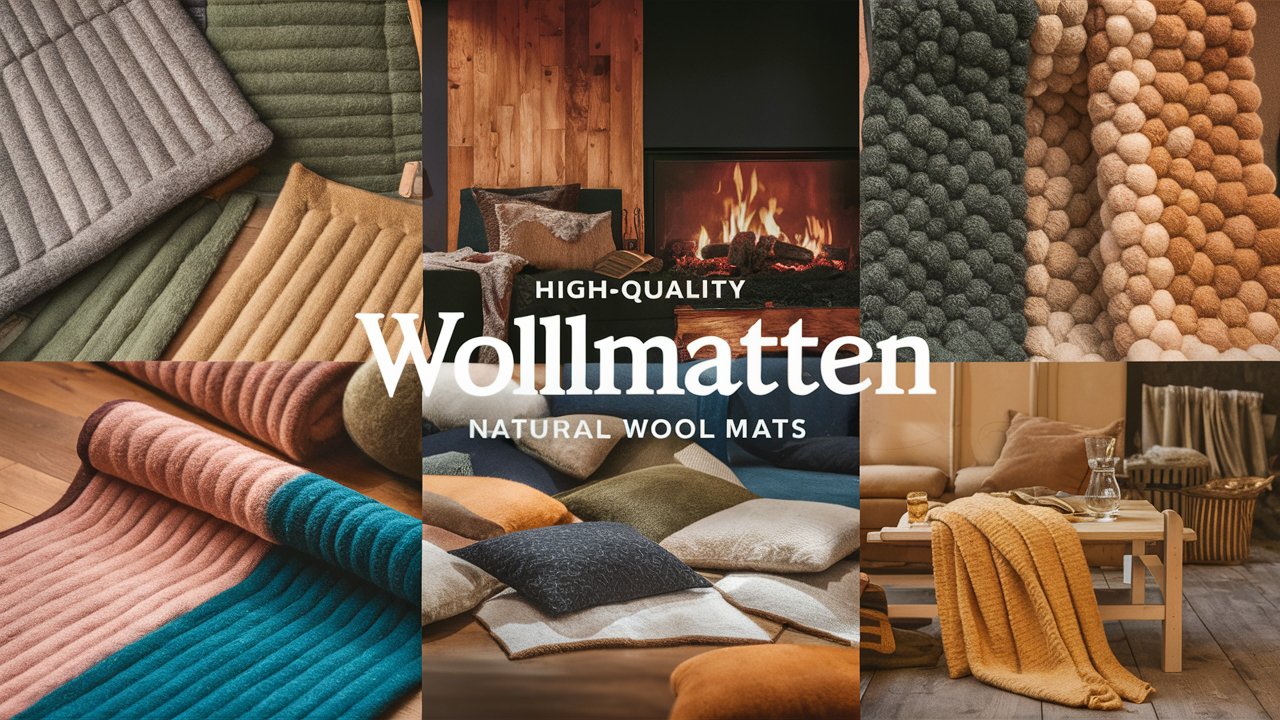
Wollmatten represent a refined intersection of natural materials, technical performance, and sustainable design. Crafted from high-quality sheep’s wool, these mats deliver exceptional thermal insulation, acoustic absorption, and breathability, making them a preferred solution across residential, commercial, and agricultural applications. We present a comprehensive, authoritative guide that details how wool mats elevate living standards while aligning with eco-conscious values. From building insulation to wellness spaces, wollmatten offer durability, comfort, and environmental responsibility—without compromise.
What Are Wollmatten? Composition, Structure, and Quality
Wollmatten are dense mats manufactured from pure sheep wool or wool felt, processed to preserve natural fibers’ resilience and elasticity. The unique crimped structure of wool fibers traps air, creating a powerful insulating layer that regulates temperature and humidity. Premium-grade wollmatten are free from synthetic binders, ensuring non-toxic, biodegradable, and renewable performance.
Key attributes include:
-
Natural thermal regulation for year-round comfort
-
Moisture management that absorbs and releases humidity
-
Fire resistance due to wool’s high ignition temperature
-
Longevity with compression recovery and shape retention
Wollmatten for Building Insulation
Thermal Insulation Performance
In construction and renovation, wollmatten insulation delivers reliable U-value improvements without sealing a building too tightly. Wool fibers adapt to temperature fluctuations, maintaining warmth in winter and coolness in summer. This results in energy efficiency and consistent indoor comfort.
Acoustic Insulation and Soundproofing
Wollmatten excel in sound absorption, reducing airborne noise and vibrations. Installed in walls, ceilings, and floors, they minimize echo and improve acoustic clarity—ideal for homes, offices, studios, and hospitality spaces.
Breathability and Mold Resistance
Unlike synthetic insulation, wool mats are vapor-permeable, preventing condensation buildup. Wool naturally resists mold and mildew by regulating moisture, safeguarding structural integrity and indoor air quality.
Wollmatten for Underfloor Heating and Flooring Systems
Wollmatten underfloor insulation enhances heat distribution by reducing downward heat loss. Their compressive strength supports flooring loads while maintaining thermal efficiency. As an underlay beneath hardwood, laminate, or tile, wool mats improve footfall comfort, impact sound reduction, and thermal retention.
Wollmatten in Wellness, Yoga, and Living Spaces
Natural Comfort for Yoga and Meditation
Wollmatten yoga mats provide a warm, cushioned surface with excellent grip and breathability. Wool’s moisture-wicking properties keep surfaces dry, while its natural elasticity supports joints during practice.
Healthy Indoor Living
In living areas, wollmatten contribute to air purification by binding pollutants and regulating humidity. Their tactile softness enhances comfort in bedrooms, nurseries, and relaxation zones.
Wollmatten for Agriculture and Animal Welfare
Stable and Stall Mats
In equestrian and livestock settings, wool stall mats offer insulation from cold floors, cushioning for joints, and moisture control. Wool’s natural lanolin content provides antibacterial benefits, promoting hygiene and animal comfort.
Erosion Control and Gardening
Wollmatten for gardening act as biodegradable mulch mats, suppressing weeds, retaining soil moisture, and enriching soil as they decompose. This supports sustainable landscaping and organic cultivation.
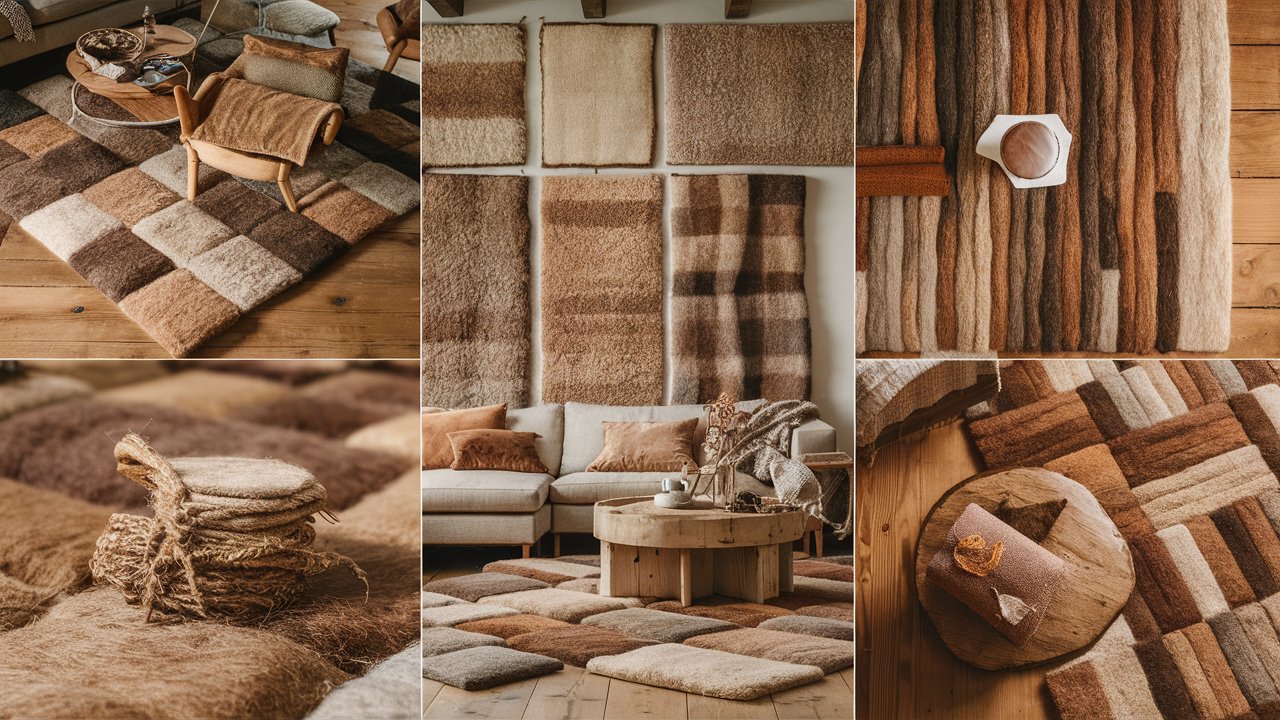
Sustainability and Environmental Advantages of Wollmatten
Wollmatten stand out for their low environmental footprint. Sourced from renewable wool, they require minimal energy to produce and are fully biodegradable at end of life. Their durability reduces replacement frequency, while improved insulation lowers energy consumption and carbon emissions.
Sustainability highlights:
-
Renewable raw material
-
Biodegradable and compostable
-
Non-toxic and safe for indoor use
-
Energy-saving insulation performance
Installation, Maintenance, and Longevity
Easy Installation
Wollmatten insulation can be cut to size and friction-fitted without specialized tools. Their flexibility allows seamless installation around pipes, beams, and irregular spaces.
Low Maintenance Requirements
Wool naturally repels dirt and odors. Periodic airing maintains freshness, while spot cleaning preserves appearance and function. Properly installed wollmatten retain performance for decades.
Choosing the Right Wollmatten: Thickness, Density, and Application
Selecting the optimal wollmatten depends on intended use:
-
High-density mats for flooring and soundproofing
-
Medium-density insulation mats for walls and roofs
-
Soft felt mats for wellness and living spaces
We recommend matching thickness and density to thermal, acoustic, and load-bearing requirements to maximize benefits.
Conclusion: Why Wollmatten Are the Superior Natural Choice
Wollmatten embody excellence in natural insulation, comfort, and sustainability. Their versatile applications—from buildings and flooring to wellness and agriculture—demonstrate unmatched adaptability and performance. By choosing wool mats, we invest in healthier spaces, reduced energy consumption, and a future grounded in renewable materials. This is a solution that performs today and protects tomorrow.
Frequently Asked Questions (FAQ)
Are wollmatten suitable for allergy-sensitive environments?
Yes. Wollmatten naturally regulate humidity and bind airborne particles, contributing to improved indoor air quality.
Do wollmatten meet fire safety standards?
Wool is inherently fire-resistant and self-extinguishing, making wollmatten compliant with stringent safety requirements.
Can wollmatten be used in humid climates?
Absolutely. Wool’s hygroscopic properties allow wollmatten to absorb and release moisture without losing insulation performance.
How long do wollmatten last?
With proper installation, wollmatten can maintain structural integrity and performance for several decades.
Are wollmatten environmentally friendly?
Yes. They are made from renewable wool, require low-energy production, and are fully biodegradable.