
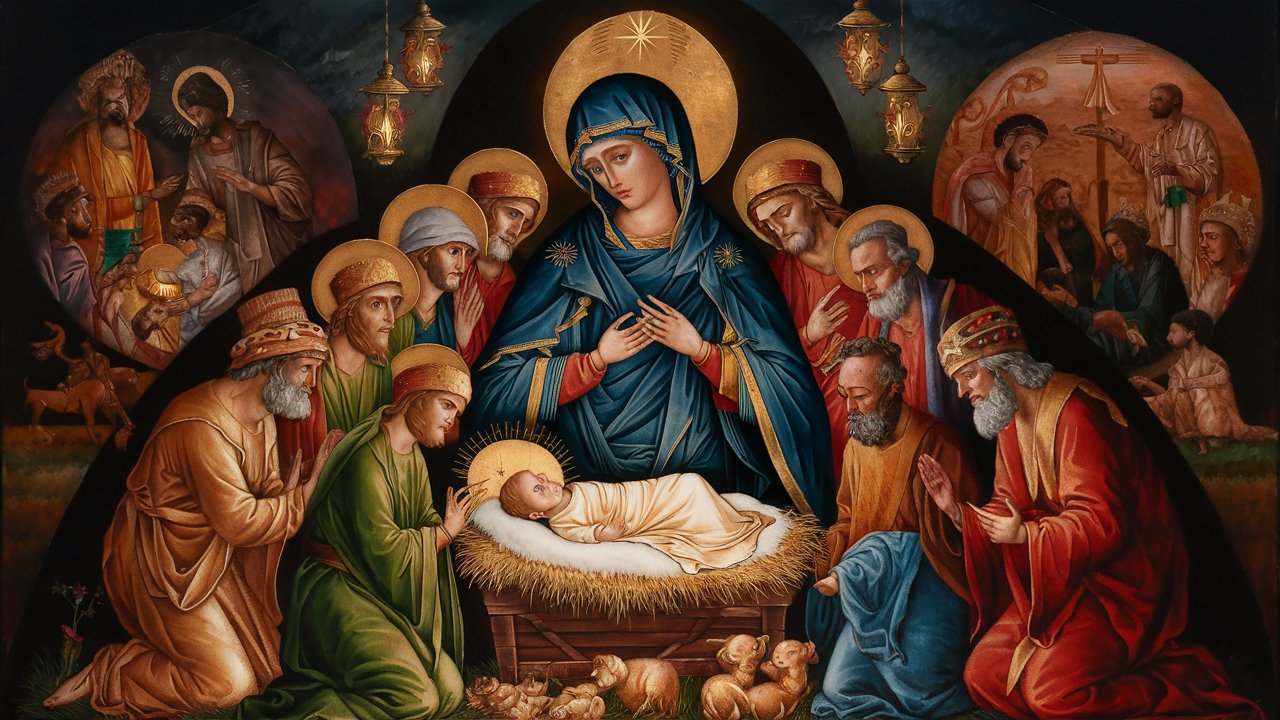
The term Nativität carries deep cultural, historical, and spiritual significance, extending far beyond its common association with Christmas traditions. Rooted in centuries-old symbolism, Nativität reflects the essence of birth, new beginnings, and the enduring importance of human and divine creation. In this comprehensive guide, we explore the origin, meaning, theological interpretations, artistic representations, and modern relevance of Nativität, delivering a rich and authoritative article designed for those seeking an in-depth understanding of this timeless concept.
What Is Nativität? Understanding the Core Meaning
The word Nativität refers directly to the Nativity, traditionally denoting the birth of Jesus Christ, a central event in Christian doctrine. However, its meaning extends into broader contexts, representing themes such as hope, renewal, spiritual awakening, and the cyclical nature of life. From a linguistic perspective, Nativität originates from the Latin nativitas, meaning “birth,” marking it as a universal symbol of beginnings.
Etymology and Historical Context of Nativität
The etymology of Nativität reveals its deep historical roots in early Christian literature and liturgical traditions. Throughout the Middle Ages, the concept became increasingly integrated into artistic, cultural, and theological expressions. As religious scholars interpreted the Nativity story, Nativität evolved into a defining motif of Christian identity, influencing countless texts, rituals, and social practices. Over time, it expanded beyond religious confines, becoming a metaphor for creative inception, human transformation, and personal rebirth.
Cultural Importance of Nativität Across Societies
While Nativität is most commonly linked to Christianity, its thematic focus on birth and renewal allows it to resonate in diverse cultures worldwide. Societies have adopted variations of the Nativity narrative, each reflecting unique spiritual and cultural traditions. This global adaptability highlights the universal human connection to beginnings, making Nativität a concept that transcends boundaries and time periods.
Religious Symbolism in the Nativität Narrative
The symbolic details within Nativity traditions—such as the manger, the guiding star, and the presence of angels—represent deeper spiritual truths. Each symbol contributes to the theological importance of Nativität:
-
The Manger symbolizes humility and simplicity.
-
The Star of Bethlehem represents divine guidance.
-
The Shepherds and Wise Men signify unity among social classes.
-
The Infant Christ embodies hope, salvation, and the fulfillment of prophecy.
These components together form a rich tapestry of spiritual meaning that continues to influence religious teachings, art, and worship practices.
Nativität in Christian Theology
In Christian theology, Nativität is central to the understanding of Jesus’s divine and human nature. It emphasizes:
-
Incarnation: The belief that God became flesh.
-
Messianic Fulfillment: The confirmation of prophecies.
-
Redemptive Purpose: The beginning of the salvation narrative.
-
Divine Compassion: A reminder of God’s presence among humanity.
The Nativity story is thus not merely a historical event but a theological foundation that shapes core Christian beliefs.

Artistic Representations: The Role of Nativität in Visual Arts
Across centuries, artists, sculptors, and iconographers have depicted the Nativität through grand masterpieces. These works reflect the cultural, spiritual, and emotional interpretations of the era in which they were created. From medieval manuscripts to Renaissance frescoes and modern digital art, the concept of Nativität has inspired countless visual expressions. Key artistic themes include:
-
Maternal tenderness
-
Divine light and symbolism
-
Human connection to the sacred
-
Peace and serenity
This artistic legacy ensures that Nativität remains influential in both historical and contemporary creative spheres.
Nativität in Literature and Music
The Nativität has inspired an abundance of literature, poetry, hymns, and musical compositions. Authors have used the Nativity story to explore themes of miracle, faith, and redemption, while musicians have composed works that reflect its emotional and spiritual tone. These creations have enriched cultural heritage worldwide, especially through classical pieces, sacred hymns, and seasonal carols.
Modern Interpretations of Nativität
In the modern world, Nativität continues to evolve, reflecting contemporary values and perspectives. Today, it often symbolizes:
-
Family unity and belonging
-
Community gatherings and festivity
-
Personal reflection and renewal
-
Acts of generosity and compassion
Many people integrate these interpretations into holiday traditions, charitable initiatives, and creative expressions, ensuring that Nativität maintains relevance in everyday life.
Nativität in Global Celebrations
Different cultures around the world celebrate Nativität through unique customs, rituals, and artistic traditions. These include:
-
Nativity plays and reenactments
-
Decorative displays and crèches
-
Festive music and liturgy
-
Community feasts and gatherings
Each tradition reflects a society’s identity while reinforcing the universal message of birth, hope, and connection.
The Spiritual Essence of Nativität
At its core, Nativität embodies the idea of spiritual rebirth, encouraging individuals to reflect on their own journeys. Whether interpreted religiously or symbolically, it inspires an appreciation for life, purpose, and transformation. The enduring appeal of Nativität lies in its ability to speak to both personal and collective experiences, offering a message of resilience and renewal.
Conclusion
Nativität stands as a profound concept that merges history, spirituality, culture, and artistry into a unified narrative of hope and renewal. Its influence permeates religious doctrine, artistic creation, and modern cultural traditions, ensuring its continued relevance across generations. By understanding the depth and richness of Nativität, we gain insight not only into a historic event but into the universal themes of human existence.
FAQ
What does Nativität mean?
Nativität refers to the Nativity, traditionally the birth of Jesus Christ, symbolizing hope, renewal, and divine incarnation.
Why is Nativität important in Christianity?
It represents the theological foundation of Jesus’s incarnation and the beginning of the salvation narrative.
How is Nativität celebrated worldwide?
Through plays, artistic displays, religious ceremonies, music, and diverse cultural traditions.
Is Nativität only a religious concept?
While deeply rooted in Christianity, its themes of birth and renewal resonate universally.
How has Nativität influenced art?
It has inspired centuries of paintings, sculptures, literature, and musical compositions across cultures.