
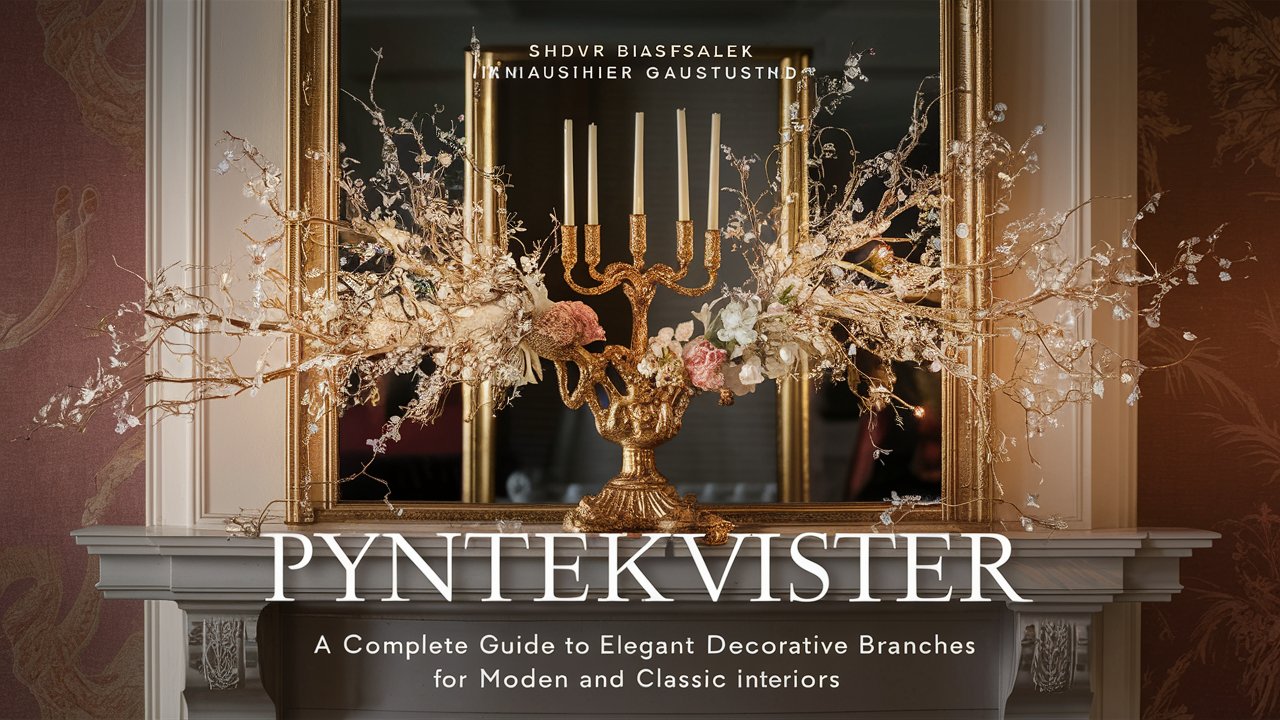
Pyntekvister have become an essential decorative element in contemporary and traditional interior design. We recognize pyntekvister as decorative branches, often natural or artfully preserved, used to enhance living spaces with texture, height, and organic elegance. Their versatility allows them to complement minimalist Scandinavian interiors, rustic homes, and even luxurious commercial environments. By integrating pyntekvister thoughtfully, we achieve a refined balance between nature and design without overwhelming the space.
Unlike ordinary decorative accessories, pyntekvister introduce movement, structure, and seasonal adaptability. They can be styled year-round, refreshed with minimal effort, and adapted to different themes, making them a long-term investment in interior aesthetics.
What Are Pyntekvister and Why They Matter in Interior Styling
Pyntekvister are decorative twigs or branches, typically sourced from birch, willow, eucalyptus, cherry, or other visually appealing trees. We use them dried, treated, painted, or left natural depending on the desired aesthetic. Their importance lies in their ability to create visual interest through height and form, drawing the eye upward and enhancing spatial perception.
In modern interiors, pyntekvister serve as a natural contrast to clean lines, smooth surfaces, and neutral palettes. In classic settings, they reinforce warmth and timeless elegance. Their understated presence allows them to act as both focal points and complementary accents.
Popular Types of Pyntekvister for Interior Decoration
Natural Pyntekvister
Natural pyntekvister are prized for their authentic texture and organic irregularities. We often select birch or willow branches for their light tones and elegant curvature. These branches suit Scandinavian, Japandi, and minimalist styles where authenticity and simplicity dominate.
Painted and Treated Pyntekvister
Painted pyntekvister introduce boldness and cohesion. White, black, gold, or muted pastel-painted branches allow us to align decorative elements with specific color schemes. Treated pyntekvister also offer improved durability, making them suitable for long-term indoor use.
Seasonal Pyntekvister
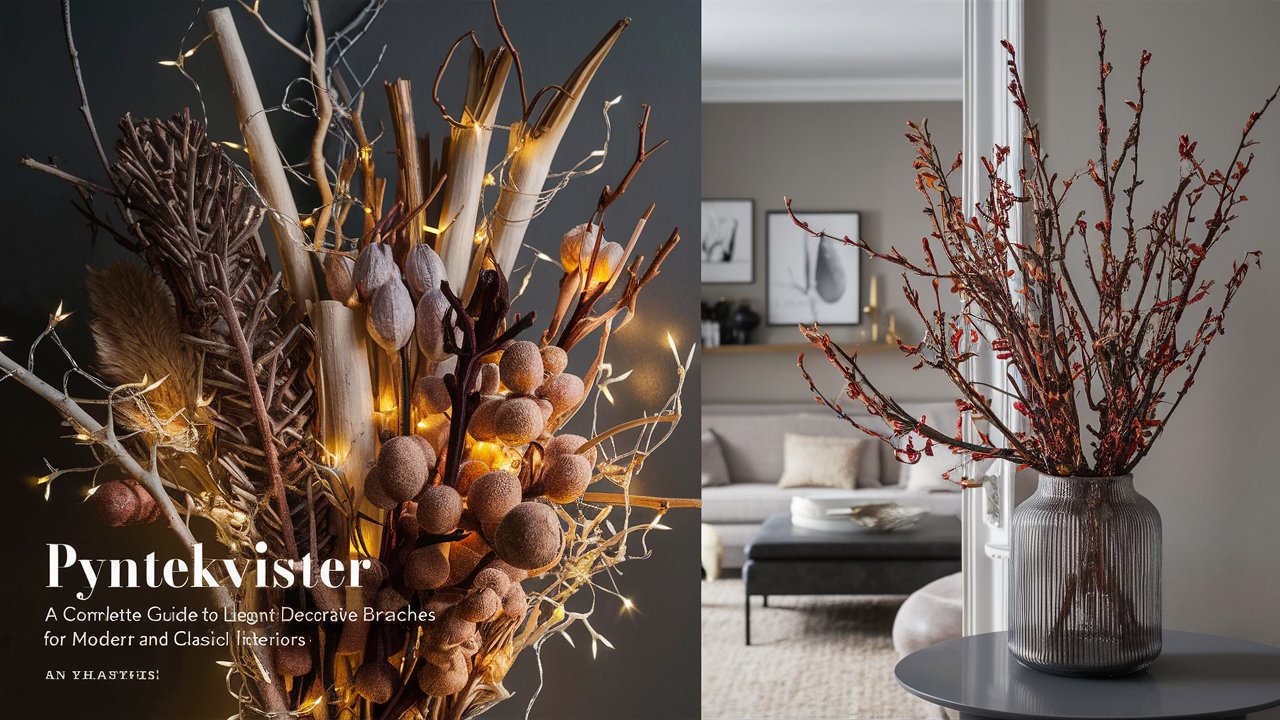
Seasonal pyntekvister adapt effortlessly throughout the year. Spring branches with artificial blossoms, summer greenery, autumn-toned twigs, and winter branches with subtle lights or ornaments ensure relevance in every season. We find this adaptability essential for maintaining fresh interiors without constant replacement.
How to Style Pyntekvister for Maximum Visual Impact
Choosing the Right Vase or Container
The foundation of effective styling begins with the container. Tall glass vases emphasize verticality and lightness, while ceramic or stone vases add grounding and weight. We recommend selecting a vase that contrasts slightly with the branches to enhance visibility and depth.
Placement Strategies That Elevate the Space
Strategic placement is critical. Pyntekvister excel in entryways, living room corners, dining areas, and office reception spaces. By placing them near natural light sources, we enhance their shadows and textures, adding subtle dynamism to the room.
Minimalist vs. Layered Styling Approaches
Minimalist styling focuses on a few carefully chosen branches, allowing negative space to speak. Layered styling incorporates multiple branches with varying heights and textures, creating richness and complexity. We choose the approach based on room size, lighting, and overall design intent.
Pyntekvister in Scandinavian and Modern Design
Scandinavian interiors rely heavily on natural materials, neutral tones, and functional beauty. Pyntekvister align perfectly with this philosophy. Their organic shapes soften sharp architectural lines and reinforce a connection to nature. In modern design, pyntekvister act as sculptural elements, often replacing traditional artwork or decorative objects.
By integrating pyntekvister into modern spaces, we achieve visual warmth without clutter. Their simplicity allows them to coexist with metal, glass, and concrete, creating a harmonious blend of textures.
Sustainable and Eco-Friendly Benefits of Pyntekvister
Sustainability is increasingly central to design decisions. Pyntekvister support eco-conscious living by reducing reliance on mass-produced décor. When sourced responsibly or reused creatively, they minimize environmental impact.
We also value their longevity. Unlike trend-driven accessories, pyntekvister remain timeless. With proper care, they last for years, reducing waste and encouraging mindful consumption. Their adaptability further supports sustainable interior practices.
Using Pyntekvister in Commercial and Professional Spaces
Commercial environments benefit significantly from pyntekvister. Hotels, offices, restaurants, and retail spaces use them to create welcoming atmospheres without excessive maintenance. Their neutral appeal suits diverse brand identities while maintaining elegance.
In professional settings, pyntekvister convey calmness and sophistication. We often recommend them for reception areas and conference rooms where first impressions matter. Their presence subtly communicates attention to detail and aesthetic awareness.
Care and Maintenance of Pyntekvister
Maintaining pyntekvister requires minimal effort. Dusting regularly preserves their appearance, while occasional repositioning prevents visual stagnation. Treated or artificial pyntekvister require even less care, making them ideal for busy households and commercial spaces.
We advise avoiding excessive humidity or direct sunlight for natural branches to maintain their structure and color. With these simple practices, pyntekvister retain their charm and integrity over time.
Why Pyntekvister Are a Timeless Decorative Choice
The enduring appeal of pyntekvister lies in their simplicity, adaptability, and natural elegance. They transcend trends, cultural boundaries, and design styles. By incorporating pyntekvister, we create interiors that feel intentional, balanced, and connected to nature.
Their versatility allows endless reinterpretation, ensuring they remain relevant as tastes evolve. Whether used as a subtle accent or a bold statement, pyntekvister consistently elevate interior spaces.
Conclusion
Pyntekvister represent a refined approach to interior decoration that prioritizes authenticity, sustainability, and visual harmony. We recognize their ability to transform spaces through minimal yet impactful design choices. From private homes to professional environments, pyntekvister offer unmatched versatility and timeless appeal.
By selecting the right type, styling them thoughtfully, and maintaining them properly, we unlock their full decorative potential. Pyntekvister are not merely decorative branches; they are an enduring expression of natural elegance in modern living.
Frequently Asked Questions About Pyntekvister
What materials are most commonly used for pyntekvister?
Birch, willow, eucalyptus, and cherry branches are commonly used due to their visual appeal and durability.
Are pyntekvister suitable for small spaces?
Yes, when styled minimally, pyntekvister enhance small spaces by adding height without overcrowding.
Can pyntekvister be used year-round?
Absolutely. Their adaptability allows seasonal updates while maintaining a consistent decorative base.
Do artificial pyntekvister look realistic?
High-quality artificial pyntekvister closely mimic natural textures and are often indistinguishable at a glance.
Are pyntekvister environmentally friendly?
When sourced responsibly or reused, pyntekvister support sustainable and eco-conscious design practices.