The word pappedeckel is commonly used in German-speaking regions to describe a stiff cardboard material that plays an important role in packaging, crafts, and everyday products. Although it may seem like a simple term, pappedeckel represents a versatile and widely used material with practical, economic, and environmental significance. As interest in sustainable packaging and recyclable materials continues to grow, more people are searching for clear explanations of what is, how it is used, and why it matters. This article provides a complete and easy-to-understand overview of, covering its definition, properties, applications, and relevance in modern industries.
What Is Pappedeckel?
Pappedeckel refers to a thick, rigid form of cardboard made primarily from compressed paper fibers. Unlike thin paper or flexible cardboard, is known for its firmness and durability, which makes it suitable for structural and protective purposes. It is often produced by layering recycled paper pulp and pressing it into dense sheets. Because of this process, offers strength while remaining lightweight, affordable, and environmentally friendly. The term is widely used in Germany, Austria, and Switzerland, where it describes a material that sits between standard cardboard and fiberboard in terms of thickness and rigidity.
Pappedeckel Meaning and Material Properties
The meaning of pappedeckel goes beyond a simple translation, as it represents a category of material rather than a single product. is valued for its stiffness, shape retention, and ease of cutting or printing. It can be smooth or slightly textured depending on manufacturing methods, and it is commonly available in various thickness levels. These properties make pappedeckel ideal for both industrial and creative applications. Its ability to balance strength and flexibility is one of the main reasons it remains widely used across different sectors.
Common Uses of Pappedeckel
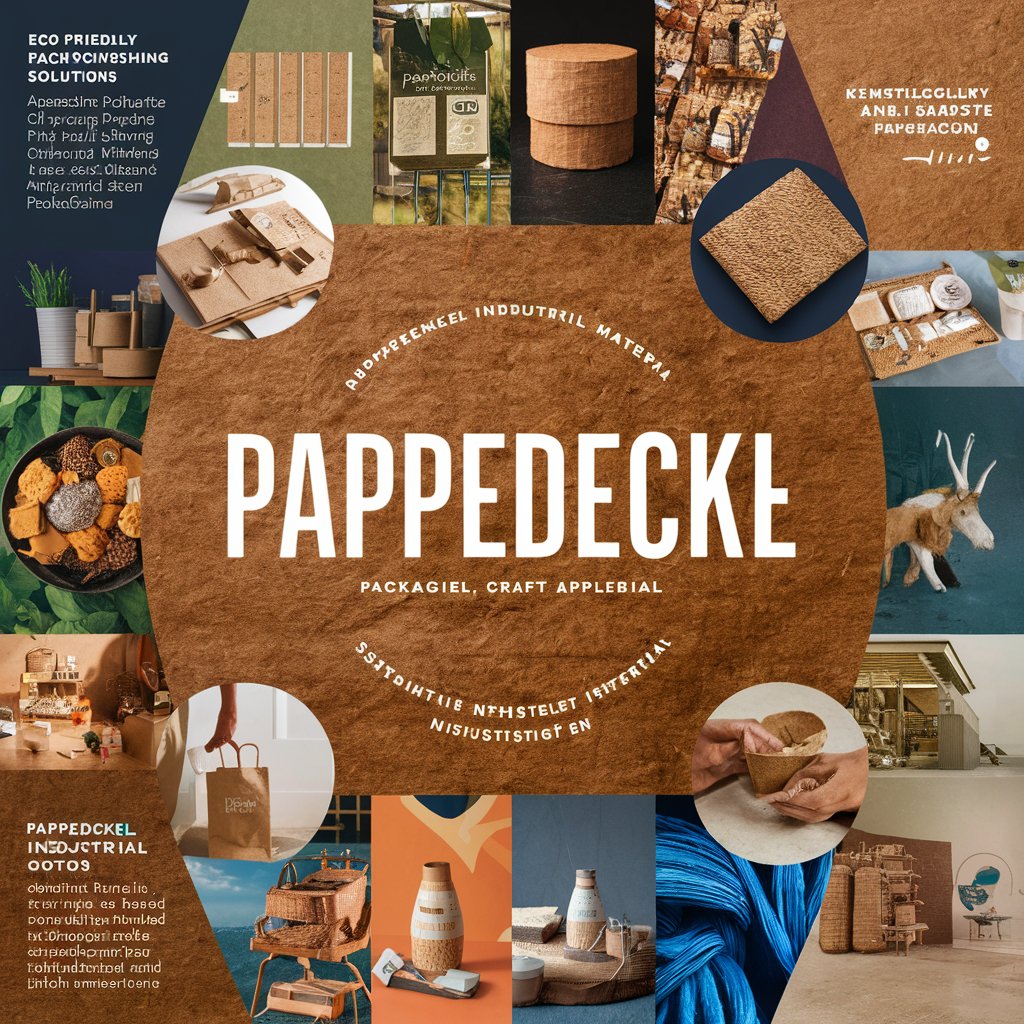
One of the most common uses is in packaging, where it provides protection and structure for goods during storage and transport. It is frequently used for box inserts, backing boards, book covers, and product displays. In addition to packaging, is widely used in crafts, model building, and educational projects because it is easy to cut, glue, and shape. Many artists and designers prefer for prototypes and mockups due to its affordability and versatility. Its widespread use in everyday items makes it a familiar yet often overlooked material.
Pappedeckel in Packaging and Industry
In industrial and commercial settings, pappedeckel packaging plays a crucial role in product presentation and protection. It is often used as a reinforcing layer inside boxes or as a base for laminated packaging solutions. Because it is compatible with printing and coating processes, pappedeckel is also used for branded packaging and point-of-sale displays. Companies favor it because it offers a balance between cost efficiency and durability while supporting environmentally conscious production goals.
Environmental Benefits and Recycling of Pappedeckel
One of the major advantages of pappedeckel is its recyclability. recycling is straightforward because the material is primarily composed of paper fibers. It can usually be disposed of with paper recycling waste, where it is broken down and reused in new paper products. As sustainability becomes a global priority, materials like are increasingly valued for their low environmental impact. Using recycled reduces the demand for raw materials and supports circular economy practices.
Why Pappedeckel Remains Relevant Today
Despite the rise of plastic and synthetic materials, pappedeckel continues to remain relevant due to its sustainability, versatility, and cost-effectiveness. Businesses and consumers alike are turning toward eco-friendly materials that do not compromise functionality. meets these expectations by offering durability while remaining biodegradable and recyclable. Its adaptability across packaging, crafts, and industrial uses ensures that it will continue to be an important material in the future.
Conclusion
In conclusion, pappedeckel is a durable and versatile cardboard material that plays an essential role in packaging, creative projects, and industrial applications. Its strength, recyclability, and affordability make it a preferred choice in many sectors, especially as sustainability becomes increasingly important. By understanding the meaning, uses, and benefits of pappedeckel, individuals and businesses can make more informed decisions about materials that balance performance and environmental responsibility. Pappedeckel may appear simple, but its impact on everyday products and sustainable practices is significant.
Frequently Asked Questions (FAQ)
What does pappedeckel mean?
Pappedeckel refers to a thick, rigid cardboard material made from compressed paper fibers.
What is pappedeckel used for?
It is commonly used in packaging, book covers, crafts, model building, and industrial applications.
Is pappedeckel environmentally friendly?
Yes, pappedeckel is recyclable and often made from recycled paper, making it environmentally friendly.
Can pappedeckel be recycled?
In most cases, pappedeckel can be recycled with standard paper and cardboard waste.
Is pappedeckel the same as cardboard?
Pappedeckel is a type of cardboard, but it is usually thicker and more rigid than standard cardboard.