
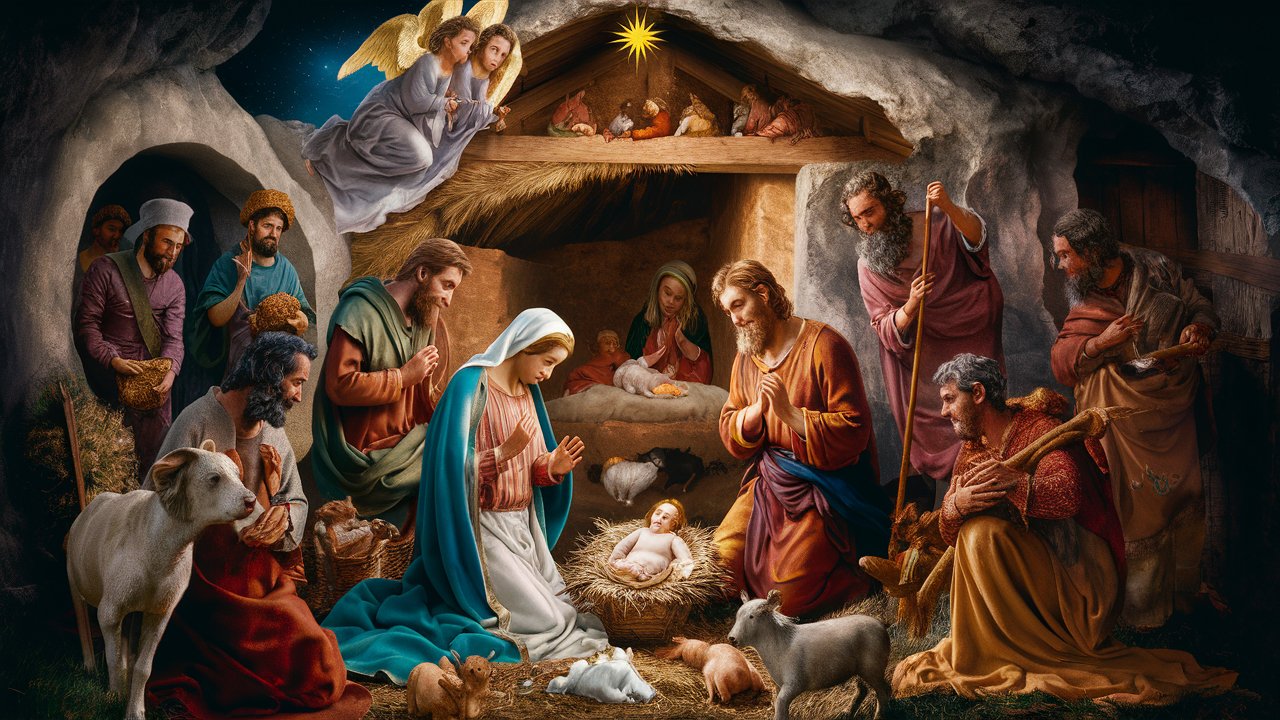
We explore Nativität as one of the most profound and enduring concepts in religious, cultural, artistic, and historical traditions. The term Nativität, derived from Latin nativitas, meaning birth, is most commonly associated with the Nativity of Jesus Christ, a foundational event in Christian belief that has shaped theology, art, rituals, and global culture for centuries. Beyond religion, Nativität also conveys ideas of origin, beginnings, identity, and the circumstances of birth, making it a concept with deep philosophical and cultural resonance.
In this comprehensive guide, we examine the meaning of Nativität, its historical origins, religious significance, artistic representations, cultural traditions, and its modern interpretations. Each section is structured to provide authoritative, in-depth insight using keyword-rich headings for maximum relevance and clarity.
Definition and Meaning of Nativität
Nativität refers fundamentally to birth, particularly a sacred or significant birth. In Christian theology, it specifically denotes the birth of Jesus Christ in Bethlehem, an event commemorated annually at Christmas. Linguistically, the term appears in various European languages, especially German, Italian (Natività), and Latin-influenced theological texts.
Beyond its religious usage, Nativität also signifies:
-
Origin or beginning of life
-
Circumstances surrounding one’s birth
-
Astrological or philosophical interpretations of birth
-
Symbolic beginnings in literature and art
This layered meaning allows Nativität to function both as a sacred theological term and a broader cultural symbol.
Theological Significance of the Nativity of Christ
The Birth of Jesus in Christian Doctrine
The Nativität Christi stands at the center of Christian belief. According to the Gospels of Matthew and Luke, Jesus was born to Mary in Bethlehem, fulfilling Old Testament prophecies regarding the Messiah. The nativity narrative emphasizes humility, divine incarnation, and salvation.
Key theological themes include:
-
Incarnation: God becoming human
-
Humility: Christ born in a manger, not a palace
-
Redemption: The beginning of salvation history
-
Hope and renewal: Light entering the world
These themes elevate Nativität beyond a historical event into a timeless spiritual truth.
Historical Origins of Nativity Traditions
Early Christian Celebrations of Nativität
The celebration of Nativität as a formal feast emerged in the 4th century, when December 25 was established as the date of Christ’s birth. This timing aligned with Roman festivals celebrating light and renewal, allowing early Christians to integrate existing cultural rhythms with theological meaning.
Over time, nativity observances expanded through:
-
Liturgical ceremonies
-
Scripture readings
-
Sacred hymns
-
Visual representations
These traditions formed the foundation of modern Christmas celebrations centered on Nativität.
Nativity Scenes and Crèche Traditions
The Development of the Nativity Scene
One of the most iconic expressions of Nativität is the nativity scene, also known as a crèche or crib. This tradition originated with Saint Francis of Assisi in 1223, who created a live nativity to make the birth of Christ more accessible to ordinary people.
Common elements include:
-
Infant Jesus
-
Virgin Mary
-
Saint Joseph
-
Shepherds
-
Angels
-
The Three Wise Men
-
Animals representing humility and creation
Nativity scenes are displayed in churches, homes, and public spaces worldwide, reinforcing the narrative power of Nativität.
Nativität in Art and Iconography
Renaissance and Classical Nativity Art
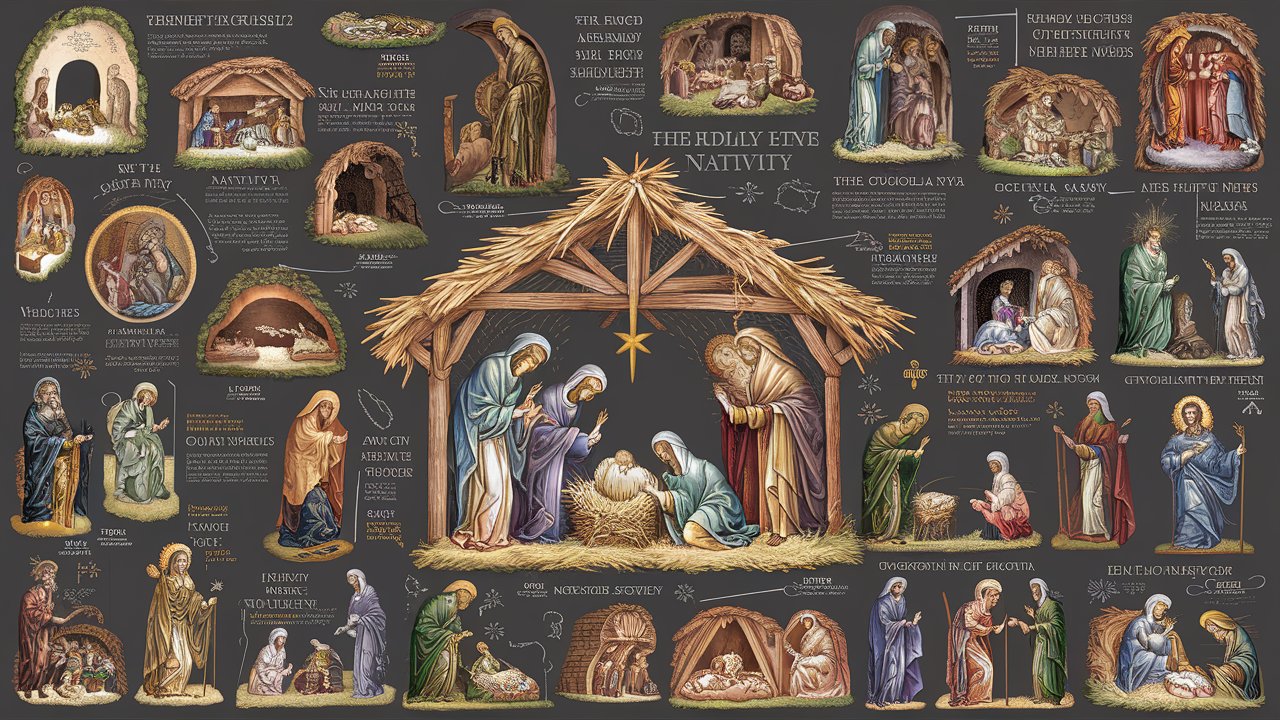
Nativität has inspired countless masterpieces across centuries. Renowned artists such as Giotto, Botticelli, Caravaggio, and Rembrandt created nativity works emphasizing divine light, human emotion, and sacred symbolism.
Artistic interpretations often highlight:
-
Light as divinity
-
Motherhood and tenderness
-
Heaven meeting earth
-
Human vulnerability
These visual narratives transformed Nativität into one of the most reproduced and studied subjects in Western art history.
Cultural Interpretations of Nativität Around the World
Global Nativity Customs
While the theological core remains constant, Nativität is celebrated differently across cultures:
-
Germany and Austria: Elaborate wooden nativity carvings and Christmas markets
-
Italy: Detailed presepe scenes depicting entire villages
-
Spain and Latin America: Dramatic reenactments and community celebrations
-
Eastern Europe: Nativity carols and symbolic star processions
These variations demonstrate how Nativität adapts to local customs while preserving its spiritual essence.
Symbolism Embedded in Nativität
Every element of Nativität carries symbolic meaning:
-
The manger symbolizes humility
-
The star of Bethlehem represents divine guidance
-
Shepherds reflect simplicity and faith
-
The Magi symbolize wisdom and universality
Together, these symbols communicate theological truths without words, reinforcing why Nativität remains so powerful across generations.
Modern Interpretations of Nativität
Contemporary Relevance of Nativity Themes
In modern contexts, Nativität extends beyond religion into discussions of:
-
Human dignity
-
Peace and compassion
-
Social justice
-
New beginnings
Artists, writers, and thinkers continue to reinterpret nativity themes to address modern challenges, ensuring the relevance of Nativität in contemporary discourse.
Why Nativität Remains Culturally Significant
The enduring influence of Nativität lies in its universal message. It speaks to birth, hope, vulnerability, and renewal—experiences shared by all humanity. Whether approached through faith, art, or culture, Nativität continues to inspire reflection and connection.
Conclusion: The Timeless Power of Nativität
We recognize Nativität as far more than a historical or religious term. It represents the moment where divinity, humanity, culture, and symbolism converge. From ancient theology to modern interpretation, Nativität remains a cornerstone of spiritual reflection and cultural identity. Its message of humility, hope, and renewal ensures its lasting importance in global consciousness.
Frequently Asked Questions (FAQ) About Nativität
What does Nativität mean in English?
Nativität translates to Nativity, meaning birth, especially the birth of Jesus Christ.
Is Nativität only a religious term?
While primarily religious, Nativität also refers to origins, beginnings, and symbolic births in cultural and philosophical contexts.
Why is the Nativity celebrated on December 25?
December 25 was established in the 4th century to commemorate Christ’s birth and align with existing cultural festivals of light.
What is the purpose of nativity scenes?
Nativity scenes visually represent the birth of Jesus, making the story accessible and spiritually meaningful.
Why is Nativität important today?
It symbolizes hope, humility, and renewal—values that remain relevant in modern society.