
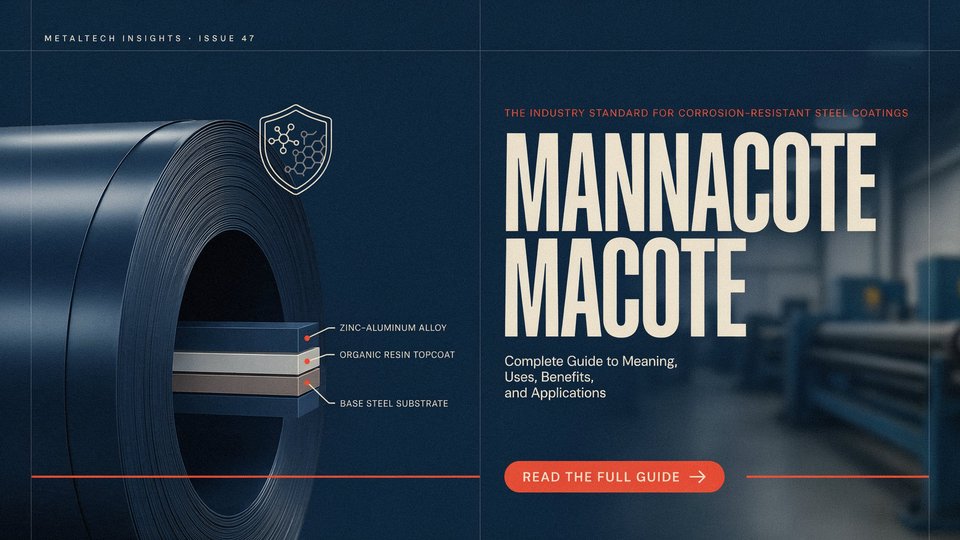
In today’s rapidly evolving world, innovative technologies and advanced materials are transforming industries at an unprecedented pace. Among the emerging terms gaining attention across different sectors is Mannacote. Although many people have recently started searching for information about Mannacote, there remains considerable confusion regarding its meaning and practical applications. Depending on the context, Mannacote may refer to a protective coating technology, a controlled-release agricultural solution, or a specialized product designed to enhance performance and durability.
The growing popularity of Mannacote is largely due to its versatility and effectiveness. Businesses, manufacturers, agricultural professionals, and technology enthusiasts are increasingly interested in solutions that improve efficiency, reduce maintenance costs, and support sustainability goals. Mannacote appears to align with these requirements by offering protective, functional, and performance-enhancing characteristics that can be adapted to a variety of environments.
This comprehensive guide explores everything you need to know about Mannacote, including its meaning, features, benefits, applications, working principles, and future potential. Whether you are a professional seeking technical insights or a curious reader looking for a clear explanation, this article provides a detailed overview of why Mannacote is becoming an increasingly important topic.
What Is Mannacote?
Mannacote is commonly associated with advanced coating and protection technologies designed to improve the performance, longevity, and durability of materials and products. The concept revolves around applying specialized protective layers that shield surfaces from environmental damage, moisture, chemicals, corrosion, wear, and other external factors. These coatings help maintain structural integrity while reducing the need for frequent repairs and replacements.
In some sectors, Mannacote is also connected with agricultural technologies where protective coatings are used on seeds, fertilizers, and agricultural products to improve nutrient delivery and crop performance. This broad range of applications demonstrates the adaptability of Mannacote as a modern solution addressing multiple industrial and environmental challenges.
The core principle behind Mannacote remains consistent across industries: enhancing performance through a carefully engineered protective layer that optimizes functionality while extending product life.
The Technology Behind Mannacote
The success of Mannacote lies in its advanced formulation and engineering. Modern coating technologies rely on carefully selected materials such as polymers, resins, bio-based compounds, and performance-enhancing additives. These materials work together to create a protective barrier that prevents harmful environmental interactions.
The coating functions by forming a thin yet highly durable layer over the target surface. Once applied, this barrier can resist water penetration, oxidation, ultraviolet radiation, temperature fluctuations, and chemical exposure. The result is a stronger, more resilient surface capable of maintaining its performance under challenging conditions.
In agricultural applications, Mannacote technology may be used to regulate nutrient release, ensuring that plants receive a steady supply of essential nutrients over time. This controlled-release mechanism improves efficiency, reduces waste, and supports sustainable farming practices.
Key Features of Mannacote
One of the reasons Mannacote has gained significant attention is its impressive range of features. Unlike traditional protective coatings, Mannacote solutions are often designed to deliver multiple benefits simultaneously, making them highly versatile across different industries.
The first notable feature is durability. Mannacote coatings are engineered to withstand harsh environmental conditions without deteriorating quickly. This durability translates into longer service life and lower maintenance requirements.
Another important feature is corrosion resistance. Metal surfaces exposed to moisture and oxygen can experience rust and structural degradation. Mannacote helps prevent these issues by creating a protective shield that blocks corrosive elements.
Weather resistance is another major advantage. Surfaces treated with Mannacote can endure rain, humidity, intense sunlight, and temperature changes more effectively than untreated materials. This makes the technology particularly valuable for outdoor applications.
Additionally, many Mannacote solutions are designed with sustainability in mind. Environmentally friendly formulations help reduce ecological impact while maintaining high performance standards.
Benefits of Using Mannacote
The advantages of Mannacote extend far beyond basic protection. Organizations and individuals who adopt this technology often experience significant improvements in efficiency, cost savings, and overall performance.
One of the most important benefits is the reduction of maintenance costs. By protecting surfaces against damage and wear, Mannacote minimizes the frequency of repairs and replacements. This leads to substantial long-term savings, particularly in industries where equipment and infrastructure represent major investments.
Enhanced durability also contributes to improved operational reliability. Machinery, structures, and agricultural systems protected by Mannacote are less likely to experience failures caused by environmental exposure. As a result, downtime is reduced and productivity is increased.
Another major benefit is sustainability. Longer-lasting products generate less waste and require fewer resources for maintenance and replacement. In agriculture, controlled-release applications can improve nutrient efficiency while reducing environmental pollution.
The combination of performance, protection, and sustainability makes Mannacote an attractive solution for modern industries seeking long-term value.
Industrial Applications of Mannacote
Industrial environments often expose materials to some of the harshest conditions imaginable. Equipment may encounter chemicals, moisture, abrasion, heat, and constant mechanical stress. Mannacote helps address these challenges by providing a protective layer that enhances durability and performance.
Manufacturing facilities use coating technologies to protect machinery, storage tanks, pipelines, and structural components. By reducing corrosion and wear, Mannacote helps maintain operational efficiency while extending equipment lifespan.
In construction, Mannacote coatings are applied to steel structures, concrete surfaces, bridges, and infrastructure projects. These protective treatments help preserve structural integrity and reduce maintenance requirements over time.
The marine industry also benefits significantly from Mannacote technology. Ships, docks, and offshore structures face continuous exposure to saltwater, one of the most corrosive environments in the world. Protective coatings help prevent deterioration and ensure long-term reliability.
Agricultural Uses of Mannacote
Agriculture represents another area where Mannacote technology can deliver significant value. Farmers and agricultural professionals constantly seek methods to improve efficiency while minimizing environmental impact. Mannacote-based solutions help achieve these goals through controlled nutrient release and protective crop treatments.
Coated fertilizers provide nutrients gradually, allowing plants to absorb them more effectively. This reduces nutrient loss through leaching and runoff while improving crop yields. The controlled-release process ensures that plants receive a steady supply of nutrients throughout their growth cycle.
Protective coatings may also be applied to seeds and agricultural products to enhance durability, improve storage conditions, and reduce spoilage. These benefits contribute to greater productivity and food security while supporting sustainable farming practices.
Why Mannacote Is Becoming More Popular
Several factors contribute to the increasing interest in Mannacote. First, industries worldwide are focusing on sustainability and resource efficiency. Solutions that reduce waste, extend product life, and lower environmental impact are in high demand.
Second, rising maintenance and replacement costs have encouraged businesses to invest in technologies that provide long-term protection. Mannacote helps organizations maximize the value of their assets while minimizing operational expenses.
Third, advancements in material science have made modern coating technologies more effective and accessible than ever before. As awareness grows, more industries are recognizing the benefits of incorporating Mannacote into their operations.
The combination of economic, environmental, and performance advantages positions Mannacote as a promising solution for the future.
Future Potential of Mannacote
The future of Mannacote appears highly promising as innovation continues to drive improvements in coating technology. Researchers are exploring new materials, biodegradable formulations, and smart coatings capable of responding to environmental conditions.
Emerging applications may include renewable energy systems, advanced manufacturing, healthcare products, food preservation, and sustainable agriculture. As industries seek more efficient and environmentally responsible solutions, Mannacote is likely to play an increasingly important role.
Technological advancements will continue to enhance performance, durability, and sustainability, making Mannacote a valuable component of future industrial and agricultural strategies.
Conclusion
Mannacote represents a modern approach to protection, performance enhancement, and sustainability. Whether used in industrial environments, construction projects, marine applications, or agriculture, its primary goal is to improve durability and efficiency through advanced coating technologies. The growing popularity of Mannacote reflects the increasing demand for solutions that reduce maintenance costs, extend product lifespan, and support environmental responsibility.
As research and innovation continue to expand its capabilities, Mannacote is expected to become even more influential across multiple industries. Organizations seeking reliable, cost-effective, and sustainable solutions should closely monitor developments in this rapidly evolving field. Understanding Mannacote today can provide valuable insights into the future of protective technologies and their role in shaping a more efficient world.
Frequently Asked Questions (FAQs)
What is Mannacote?
Mannacote is generally associated with advanced coating technologies and protective solutions designed to enhance durability, performance, and resistance to environmental damage.
What are the main benefits of Mannacote?
The primary benefits include corrosion resistance, weather protection, durability, reduced maintenance costs, and improved long-term performance.
Where is Mannacote commonly used?
Mannacote is used in industries such as manufacturing, construction, marine operations, infrastructure development, and agriculture.
Is Mannacote environmentally friendly?
Many modern Mannacote formulations are designed to support sustainability by reducing waste, improving efficiency, and minimizing environmental impact.
How does Mannacote improve agricultural productivity?
In agriculture, Mannacote technologies can help regulate nutrient release, improve fertilizer efficiency, reduce waste, and enhance crop growth.
Why is Mannacote becoming popular?
Its popularity is driven by increasing demand for durable, cost-effective, and sustainable solutions that improve performance while reducing maintenance requirements.
What industries benefit most from Mannacote?
Industries that face challenges related to corrosion, environmental exposure, and material degradation benefit significantly from Mannacote technology.
What is the future of Mannacote?
Future developments may include smart coatings, biodegradable formulations, renewable energy applications, advanced infrastructure protection, and enhanced agricultural solutions.