
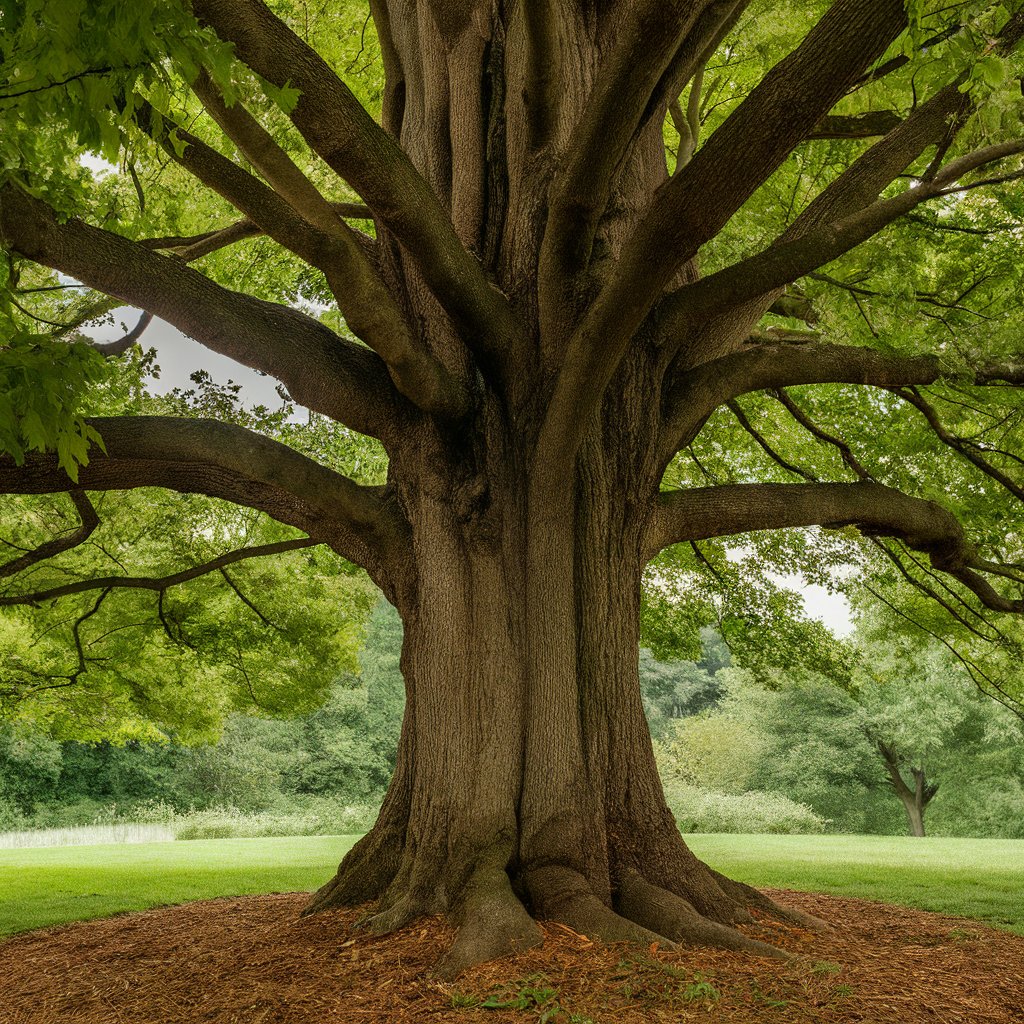
The sycamore tree is one of the most recognizable and historically significant trees in the world, admired for its towering height, broad canopy, and distinctive mottled bark.Its large leaves, rapid growth, and adaptability make it a favorite among landscapers, environmentalists, and homeowners alike. This comprehensive guide explores the origins, characteristics, symbolism, and ecological importance of the sycamore tree, offering insight into why it remains one of nature’s most beloved giants.
The History and Origin of the Sycamore Tree
The sycamore tree has a rich and ancient history that spans continents and cultures. Its name is derived from the Greek word “sukomoros,” meaning “fig-mulberry,” due to its resemblance to the fig tree. The sycamore has been revered since ancient times, particularly in Egypt, where it was considered sacred and associated with protection and eternal life. The ancient Egyptians believed that the sycamore connected the world of the living with the afterlife, often planting it near temples and tombs. In the Bible, the sycamore is mentioned as a symbol of spiritual growth and humility, most famously in the story of Zacchaeus, who climbed a sycamore tree to see Jesus. Over time, the sycamore spread across Europe, Asia, and North America, adapting to various climates and becoming a symbol of endurance and renewal.
Physical Characteristics and Identification
The sycamore tree is easily identifiable by its massive size and distinctive bark. It can grow up to 100 feet tall, with a broad, spreading canopy that provides ample shade. The bark is one of its most striking features smooth and mottled, peeling away in patches to reveal a mix of white, gray, and greenish hues underneath. The leaves are large, typically five-lobed, and resemble those of a maple tree, turning golden brown in autumn. Sycamores produce small, round seed balls that hang from long stalks, dispersing seeds through the wind. The tree’s extensive root system allows it to thrive near rivers, lakes, and floodplains, making it a common sight in wetlands and urban parks. Its ability to withstand pollution and poor soil conditions makes it a resilient species well-suited for diverse environments.
Symbolism and Cultural Significance
Throughout history, the sycamore tree has carried deep symbolic meaning. In many cultures, it represents strength, protection, and eternity due to its longevity and massive stature.In Christianity, the sycamore symbolizes spiritual awakening and humility, as seen in biblical references.In literature and art, the sycamore frequently appears as a symbol of wisdom, endurance, and connection to the earth. Its presence in folklore and mythology underscores humanity’s enduring fascination with this majestic tree and its representation of life’s continuity.
Ecological Importance of the Sycamore Tree
The sycamore tree plays a vital role in maintaining ecological balance. Its large canopy provides shade and habitat for countless species of birds, insects, and small mammals. The tree’s extensive root system helps prevent soil erosion, especially along riverbanks and flood-prone areas. Sycamores also improve air quality by absorbing carbon dioxide and releasing oxygen, contributing to cleaner and healthier environments. Their leaves and fallen branches enrich the soil with organic matter, supporting biodiversity in surrounding ecosystems. In urban areas, sycamores are often planted for their ability to tolerate pollution and provide natural cooling through shade. Their environmental resilience makes them an essential part of both natural and human-made landscapes, promoting sustainability and ecological harmony.
Uses and Benefits of the Sycamore Tree
Beyond its ecological value, the sycamore tree offers numerous practical benefits. Its wood, known for its fine grain and durability, is used in furniture making, flooring, and musical instruments.In landscaping, sycamores are prized for their aesthetic appeal and ability to provide shade in large open spaces. Their rapid growth and adaptability make them ideal for reforestation and urban greening projects. Additionally, sycamores contribute to mental well-being by enhancing natural beauty and providing serene spaces for relaxation and reflection. Their presence in parks, gardens, and streetscapes adds both functional and emotional value to communities.
How to Grow and Care for a Sycamore Tree
Growing a sycamore tree requires space, sunlight, and proper soil conditions.Pruning should be done in late winter to remove dead or diseased branches and maintain shape. Sycamores are generally low-maintenance but can be susceptible to fungal diseases like anthracnose, which causes leaf spotting. Ensuring good air circulation and avoiding overwatering can help prevent such issues. With proper care, a sycamore tree can live for several centuries, becoming a lasting symbol of strength and stability.
Conclusion
The sycamore tree stands as a timeless symbol of endurance, beauty, and connection to nature. Its towering presence, historical significance, and ecological value make it one of the most remarkable trees in the natural world. From ancient civilizations that revered it as sacred to modern cities that rely on its shade and resilience, the sycamore continues to inspire awe and admiration. Its ability to adapt, protect, and nurture life around it serves as a reminder of nature’s enduring power and generosity.