
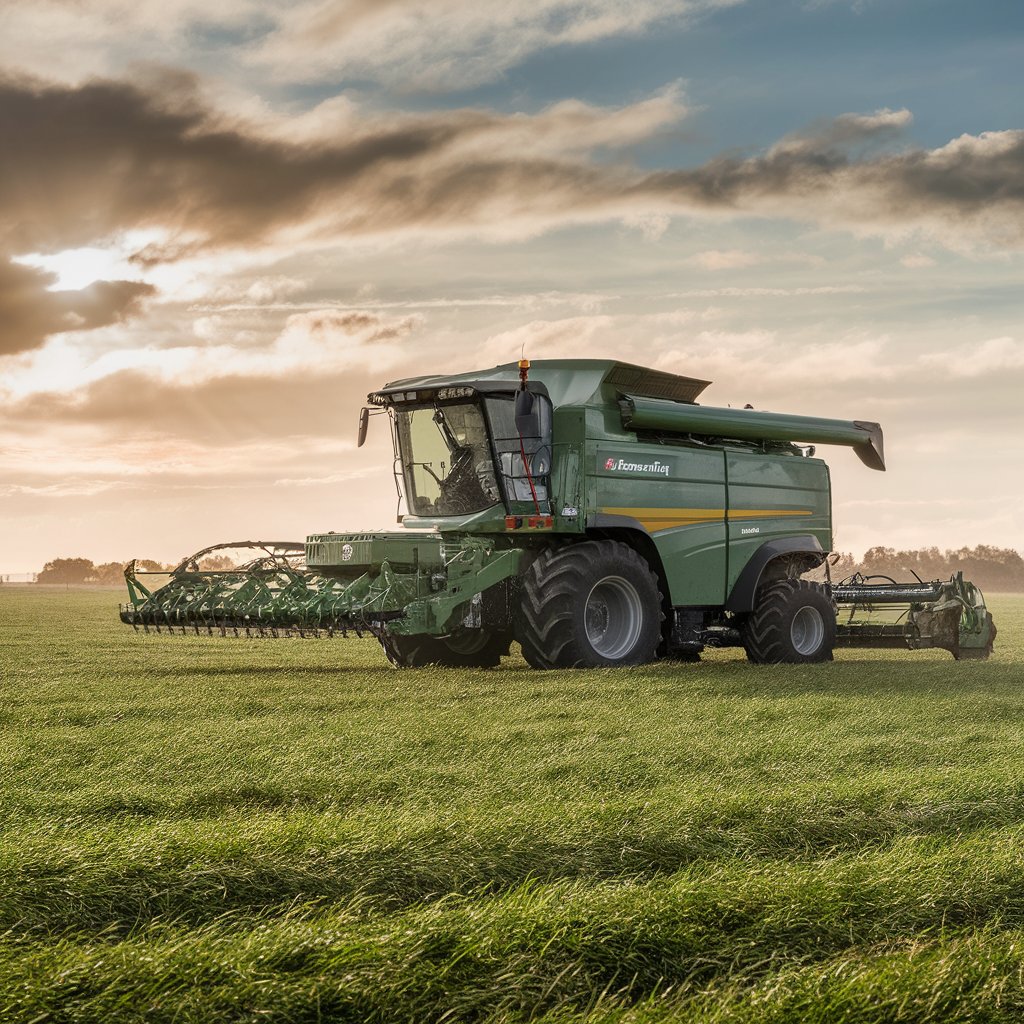
In modern agriculture and livestock management, efficiency, hygiene, and productivity are critical.specialized agricultural vehicles, have become indispensable tools for farmers and livestock managers seeking to streamline waste handling, feed distribution, and cleaning processes. With the rising demand for mechanized solutions that save time, reduce labor, and improve operational efficiency, afruimwagens are increasingly recognized as vital equipment in farms of all sizes.
Understanding requires more than just knowing they exist—it involves exploring their design, types, practical applications, and long-term benefits. This article provides a comprehensive guide to, offering farmers, agricultural students, and industry enthusiasts a thorough overview that highlights their importance in modern agriculture while optimizing for Google search performance.
What Are Afruimwagens?
Afruimwagens are agricultural vehicles or carts designed to transport, remove, and manage waste, feed, and other materials in farms efficiently. The term “afruimwagens” originates from Dutch, commonly used in Europe, particularly in livestock-heavy regions such as the Netherlands and Belgium. These vehicles help automate labor-intensive tasks like manure removal, bedding replacement, and feed distribution, allowing farmers to maintain a cleaner and more organized farm environment.
By reducing manual labor and increasing operational efficiency, play a critical role in maintaining animal health, improving hygiene, and optimizing productivity. Their utility goes beyond simple transportation they are essential for ensuring timely maintenance of livestock spaces, thereby supporting overall farm management.
Types of Afruimwagens and Their Features
Afruimwagens come in various types, each designed to meet specific farm requirements. Some common types include:
-
Manure Removal Afruimwagens: Equipped with hydraulic or mechanical systems, these are used to transport and dispose of manure quickly and safely.
-
Feed Distribution Afruimwagens: Designed to carry and distribute feed evenly across barns or pens, saving time and labor.
-
Multipurpose Afruimwagens: Versatile carts that can handle both waste removal and feed distribution, suitable for medium-sized farms.
Modern afruimwagens feature durable construction, high-capacity storage, and optional automation technology. Some advanced models integrate sensors, hydraulic lifts, or automated tipping mechanisms, allowing farmers to operate them with minimal effort and maximize farm efficiency.
Benefits of Using Afruimwagens in Agriculture
The adoption of offers numerous advantages for modern farms:
-
Efficiency: Tasks that traditionally required hours of manual labor can now be completed in minutes, freeing up time for other critical farm activities.
-
Hygiene: Timely removal of waste reduces the risk of disease and maintains cleaner environments for livestock.
-
Labor Savings: By reducing manual handling help farms lower labor costs and reduce physical strain on workers.
-
Animal Welfare: Cleaner spaces directly impact animal health, improving productivity in milk, meat, or egg production.
-
Scalability: Farms of any size can benefit, an can be scaled to handle larger loads as operations expand.
These benefits collectively make an essential investment for farms that prioritize sustainability, efficiency, and long-term operational growth.
How to Choose the Right Afruimwagen
Selecting the right depends on several factors:
-
Farm Size: Larger farms require higher-capacity or automated models, while smaller operations may suffice with compact versions.
-
Type of Livestock: Dairy, beef, poultry, or mixed farms may have different waste and feed handling needs.
-
Automation Level: Some farms benefit from fully automated carts with hydraulic or electric systems, while others may prefer simpler manual or semi-automatic versions.
-
Maintenance and Durability: Choosing a robust, easy-to-maintain afruimwagen ensures long-term performance and lower operational costs.
Understanding these factors helps farmers select the most efficient and cost-effective solution for their unique needs.
Maintenance and Longevity of Afruimwagens
Proper maintenance of ensures longevity and consistent performance. Key maintenance tips include:
-
Regular cleaning to prevent material buildup.
-
Lubrication of moving parts to prevent wear and tear.
-
Checking hydraulic or mechanical systems for leaks or faults.
-
Timely replacement of worn-out tires, belts, or chains.
By maintaining correctly, farmers can extend their lifespan, reduce repair costs, and maximize return on investment.
Conclusion
Afruimwagens are indispensable tools in modern agriculture, offering efficient, hygienic, and solutions for waste management, feed distribution, and farm maintenance. Their adoption improves labor efficiency, supports animal welfare, and contributes to sustainable farming practices. Understanding the types, features, benefits, and maintenance of afruimwagens allows farmers to make informed decisions that enhance productivity and operational success. Investing in high-quality is not just a convenience it is a strategic move toward modern, efficient, and responsible farm management.
Frequently Asked Questions (FAQ)
What are afruimwagens used for?
Afruimwagens are used in farms for waste removal, feed distribution, and transporting materials efficiently.
What types of afruimwagens are available?
There are manure removal carts, feed distribution carts, and multipurpose models designed for various farm tasks.
How do afruimwagens improve farm efficiency?
They reduce manual labor, save time, maintain hygiene, and support animal health, which collectively boost productivity.
Can afruimwagens be automated?
Yes, some models feature hydraulic or electric systems, sensors, and automated tipping mechanisms for minimal manual effort.
How do I maintain an afruimwagen?
Regular cleaning, lubrication of moving parts, checking hydraulic systems, and replacing worn components ensure longevity and consistent performance.